Beyond Oil, Why the Strait of Hormuz Matters for Global Data Flows
Mr. Kamran Baratnezhad | an Expert on Logistics and Telecommunications Infrastructure

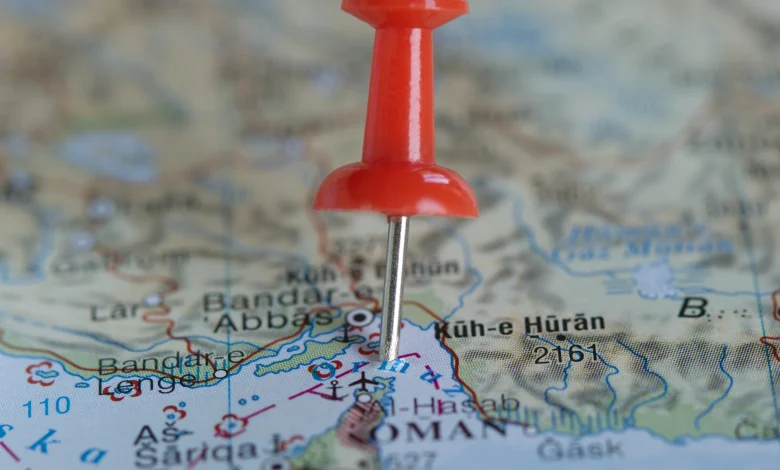
For much of the world, the Strait of Hormuz is synonymous with oil, energy security, and maritime trade. Yet the strategic waterway plays another, largely invisible role in the global economy.
Beneath the seabed lies a network of submarine fiber-optic cables that forms the backbone of the internet, enabling everything from cloud services and financial transactions to international communications and data exchange.
As the global economy becomes increasingly dependent on digital connectivity, these undersea cables have emerged as one of the most critical infrastructures of the modern era. Any disruption can affect cross-border communications, financial markets, and digital businesses on a global scale. This makes strategic chokepoints such as the Strait of Hormuz important not only for energy flows but also for the uninterrupted movement of data across continents.
The ownership landscape of this infrastructure is also changing. While submarine cable projects were once dominated by telecommunications operators, major technology companies are now playing a growing role in financing, building, and managing global cable networks. The shift reflects how control over data routes is becoming an increasingly important dimension of geopolitical and economic influence.
Despite their importance, submarine cables remain vulnerable to a range of threats, from accidental damage caused by ship anchors and maritime activity to broader geopolitical tensions that can affect the security of international communication routes. As a result, building redundancy and developing alternative pathways have become strategic priorities for governments and technology stakeholders alike.
In an era where economic activity, commerce, and everyday life rely heavily on digital connectivity, the cables hidden beneath the oceans are far more than technical infrastructure. They are essential arteries of the global digital economy, quietly keeping the world connected.