Strait of Hormuz: Security Red Line or International Legal Challenge?

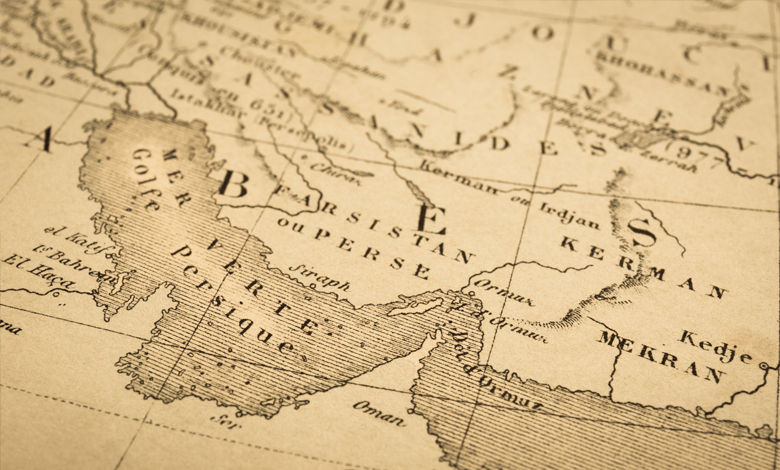
In an interview with Negashteh Magazine, an international law expert stated that although Iran signed the 1982 Law of the Sea Convention, it does not consider itself fully bound by the treaty because it has never been ratified by the Iranian parliament. However, Iran still recognizes and follows established customary international maritime rules. According to the expert, Tehran views navigation in the Strait of Hormuz primarily under the concept of “innocent passage” rather than the broader “transit passage” regime outlined in the convention.
The expert explained that current restrictions in the Strait are framed by Iran as temporary security measures linked to wartime conditions and regional stability concerns, rather than a permanent closure of the strategic waterway. He noted that maritime restrictions during armed conflict are recognized under international law, but extending such measures into peacetime could create legal and diplomatic complications, particularly given the interests of Oman and other states dependent on the route.
The interview also addressed the status of commercial vessels and the role of international institutions. According to the expert, neutral commercial ships should generally retain the right of passage, although security warnings and operational restrictions are common during conflicts. He further argued that legal action against Iran at the International Court of Justice would require Tehran’s consent, while the International Maritime Organization mainly serves as a regulatory and standard-setting body rather than an enforcement authority against states.