Imam Khomeini Port: The Beating Heart of Iran’s Food Supply Chain in Times of Crisis
Mr. Aboultaleb Geraylou, Director General of Khuzestan Province Ports Organization

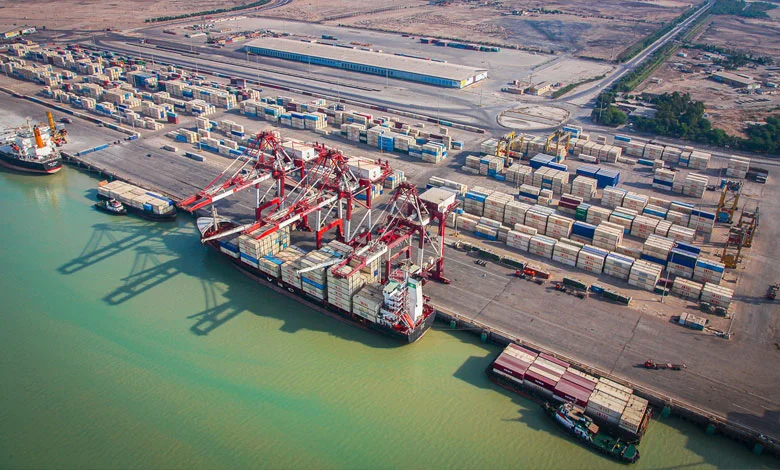
As regional instability and wartime disruptions continue to pressure Middle Eastern trade routes, Iran’s Imam Khomeini Port has maintained its critical role in securing the country’s food supply chain. Iranian port officials say the southern port handled 18.5 million tons of essential goods and grain in 1404 (2025-26), marking a 22% increase compared to the previous year — a sign of Tehran’s continued investment in strategic logistics infrastructure.
According to Mr. Geraylou, operations at the port continued uninterrupted even during a “40-day war” and heightened regional tensions. The port reportedly unloaded an average of 48,000 tons of cargo per day while thousands of trucks transported essential goods across Iran.
Nearly 70% of the country’s essential imports enter through this single hub, underlining its importance to both Iran’s economy and national food security.
Iran is also pushing to transform the facility into a “smart and green port” through rail expansion, digitalization, new grain terminals, and upgrades capable of handling larger vessels. Its proximity to Iran’s largest petrochemical complex further strengthens the port’s role as a growing industrial and logistics gateway for the wider region.