Liquidity Crisis in the Global Food Supply Chain: Why Are Essential Commodity Importers’ Funds Locked?
Mr. Heydari, Member of the Board of Directors of Iran Grain Suppliers Association, stated

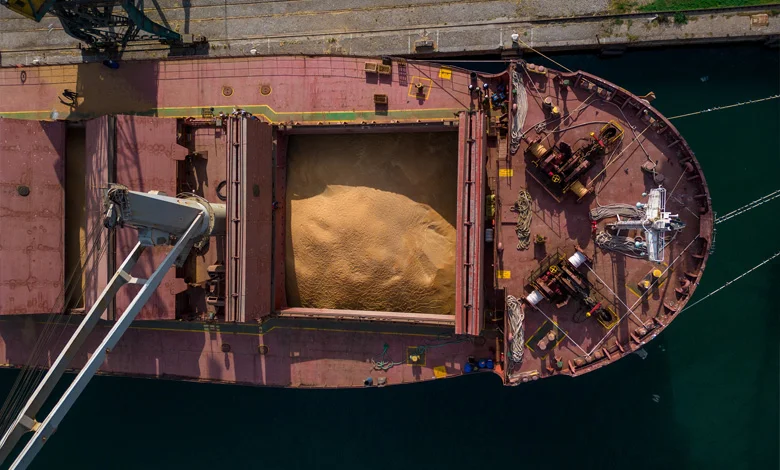
Delays in settling foreign currency claims of essential commodity importers have become a major challenge for Iran’s food supply chain, blocking a significant portion of the working capital of companies involved in the import of grains, crude vegetable oils, and animal feed.
This situation has emerged amid rising financial costs, limited access to credit facilities, and growing challenges in international transportation, placing additional pressure on essential commodity trade.
The accumulation of private sector claims against the government has forced many importers to rely on costly bank financing to maintain the flow of supply. Prolonged delays in fulfilling foreign exchange obligations have not only increased import costs but have also weakened companies’ purchasing power and negotiating position with international suppliers, making credit-based transactions increasingly difficult.
Declining confidence among some international suppliers regarding financial commitments has led many exporters to demand higher advance payments. This trend has increased importers’ liquidity requirements and raised the overall risks associated with essential commodity trade.
In the logistics sector, the Caspian Sea route has gained strategic importance as an alternative pathway for diversifying supply chains. However, challenges such as limited vessel capacity, transportation costs, insurance expenses, and port operational constraints continue to affect its efficiency. Expanding alternative routes can strengthen trade resilience, but replacing major import corridors entirely is not feasible without significant investment in infrastructure and the development of an integrated transportation network.
The proposal to offset government debts against companies’ banking obligations could provide short-term relief by easing liquidity pressures and returning blocked financial resources to the supply chain. However, a sustainable solution requires a transparent and predictable mechanism for settling financial obligations and ensuring the continuity of essential commodity imports.