Sustainable Wheat Supply: The Key to Maintaining Iran’s Pasta Export Position
Mr. Rasoul Mozhdeh Shafagh, Spokesperson of Iranian Pasta Factory Employers’ Association, stated

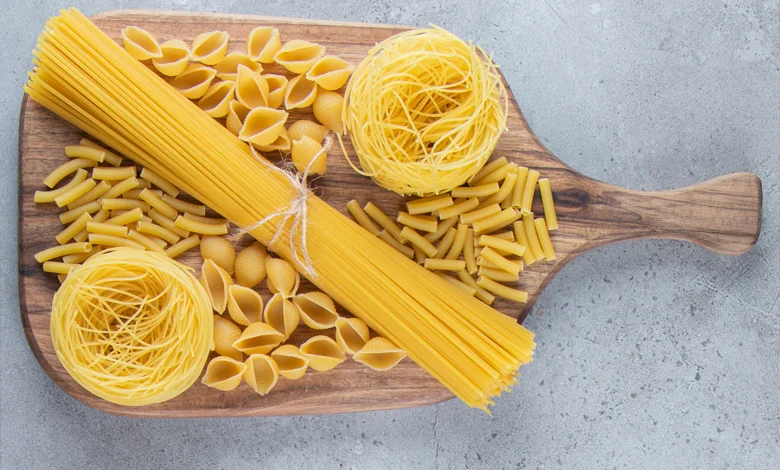
Iran’s pasta industry is facing new challenges following changes in wheat supply and pricing policies for industrial users. These challenges include ensuring stable access to raw materials, managing rising production costs, and maintaining competitiveness in export markets.
Industry stakeholders believe that the future presence of Iranian pasta products in regional markets depends largely on the ability of producers to manage the wheat supply chain effectively.
The new price of wheat allocated to the pasta industry has been set at 23,850 tomans per kilogram by the government, while the estimated production cost of wheat is around 53,000 tomans per kilogram. This policy change has raised new discussions regarding raw material supply mechanisms and their impact on production costs and food exports.
One of the industry’s main concerns is the impact of rising production costs on export competitiveness. Iranian producers need conditions that allow them to maintain competitive pricing and sustain exports, particularly in regional markets where they compete with major exporters such as Turkey.
Under the new policy framework, direct wheat procurement by industries through domestic purchasing or imports has been proposed as a future approach. Industry players view this as an opportunity to create greater flexibility in the supply chain; however, they emphasize that successful implementation requires proper planning, sufficient time, and the development of necessary infrastructure.
Given Iran’s position in regional markets, ensuring a stable wheat supply and establishing a transparent framework for industrial access to raw materials will be key factors in expanding pasta exports and strengthening the presence of Iranian products in international markets.