Recent Conflict Highlighted the Urgent Need to Strengthen Iran’s Logistics Corridors
Seyed Mehdi Mirhosseini, Managing Director, Arman Darya Zamin International Transport Company

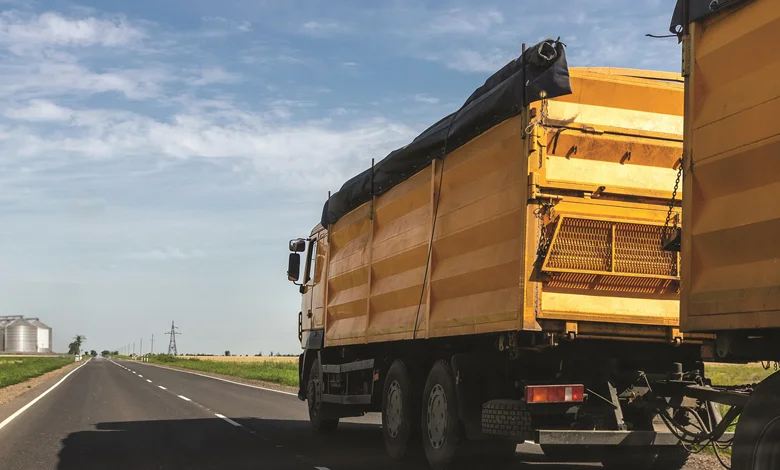
The 40-day conflict following the military attacks by the United States and Israel on Iran demonstrated that, although Iran’s transport network succeeded in maintaining the flow of essential goods and preventing major supply chain disruptions, the country’s logistics system remains highly vulnerable to disruptions along its primary international trade corridors.
The concentration of imports, exports and transit operations through a limited number of border crossings and transport routes meant that any disruption at these strategic gateways quickly translated into longer transit times, higher logistics costs and lower fleet productivity.
During the conflict, congestion at key land border crossings, multi-day truck delays, cargo rerouting and restricted access to several transport corridors significantly increased freight costs. In addition, part of China’s imports was redirected through Türkiye’s Port of Mersin. Restrictions on the use of Iranian trucks and the requirement to rely on Turkish carriers substantially increased transportation costs, which were ultimately reflected in the final prices of imported goods.
The crisis also exposed Iran’s heavy dependence on road transport, while highlighting the limited capacity of the country’s rail network and the underdevelopment of multimodal logistics. Although some international cargo was shifted to rail services, capacity constraints, container handling challenges, trade imbalances, changing freight rates and operational bottlenecks prevented rail transport from serving as an effective alternative during the emergency.
The experience further underscored the strategic importance of diversifying international transport corridors, expanding border terminal capacity, modernizing commercial truck fleets, digitalizing customs procedures and strengthening transport diplomacy with neighboring countries. Greater coordination among government agencies, simplified cross-border procedures, easier mobility for professional drivers and stronger private-sector participation in logistics planning and infrastructure investment will be essential to improving Iran’s logistics resilience. These measures would not only enhance the country’s ability to manage future crises but also strengthen Iran’s position within regional transport corridors and global supply chains.