Iran Falls Behind Regional Rivals in the Race for Transit Trade
Dr. Asadi, Head of Logistics at Iran's Ports and Maritime Organization


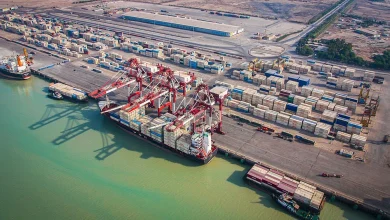
Despite its strategic location along the North–South and East–West international transport corridors and direct access to open seas, Iran has yet to capitalize on its geographic advantages to become a regional logistics hub.
According to the World Bank’s 2023 Logistics Performance Index (LPI), Iran ranks 123rd globally, well behind regional competitors. The United Arab Emirates ranks 7th, while landlocked neighbors such as Kazakhstan, Uzbekistan, and Armenia also outperform Iran.
Meanwhile, Turkey, Azerbaijan, and Kazakhstan have strengthened their positions by expanding the Trans-Caspian transport corridor, investing in rail connectivity, developing joint logistics hubs, and streamlining customs procedures. In contrast, bureaucratic hurdles, lengthy customs processes, financial restrictions, limited digital infrastructure, and weak institutional coordination continue to prevent Iran from fully leveraging its geopolitical position in regional transit and logistics.