Beyond Refining: How New Technologies Are Reshaping Iran’s Oil and Fat Industry
Niloufar Manan | CEO of Nil Tejarat Artiman and Exclusive Representative of TECHNOILOGY (Bernardini Group) in Iran

Iran’s oil and fat industry is entering a new phase in which success is no longer defined solely by increasing production capacity. Efficiency improvement, cost reduction, energy optimization, and the development of high-value-added products have become the key factors shaping industrial competitiveness.
Rising costs of raw materials and energy, along with growing quality requirements, have encouraged producers to modernize their production lines and adopt advanced technologies. In this environment, outdated equipment can create significant hidden costs by increasing material losses, reducing operational efficiency, and affecting product quality.
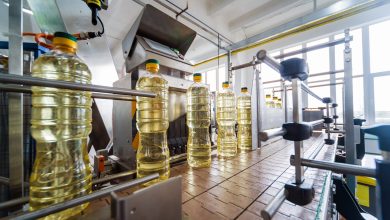
New technologies in oil and fat processing are enabling producers to reduce waste, improve efficiency, and manufacture products that meet international standards. Solutions such as Miura filters in the winterization process and advanced technologies for reducing 3-MCPD and GE contaminants help manufacturers achieve higher-quality oils aligned with modern European standards.
The future of the industry will not be limited to the production of crude or refined oils. Growth will increasingly depend on moving toward specialized products with higher economic value. Producing products such as high-palmitic acid fat powders and cocoa butter substitutes (CBS) can reduce import dependency, support downstream food industries, and create new opportunities in regional markets.
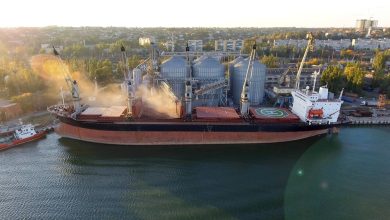
Alongside production technology, the stability of raw material supply chains remains a critical factor. Since a significant portion of the raw materials required by the oil industry is imported, improving port infrastructure, material handling systems, and logistics networks can play a major role in reducing costs and ensuring continuous production.
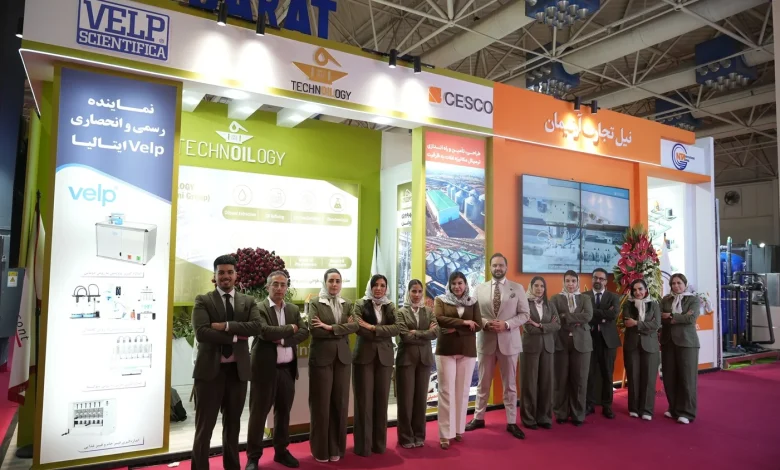
Cooperation with international companies such as TECHNOILOGY (Bernardini Group) and CESCO Germany focuses on technology transfer, engineering solutions, and industrial infrastructure development. This approach can help Iran’s oil industry move toward smarter production, higher efficiency, and stronger participation in global markets.