Iran-Israel Conflict Pressures Global Grain Trade and Strategic Reserves
Yashar Gharibi, Grain Market Analyst, Raised


In the early hours and days of the conflict, global markets reacted quickly but modestly. Wheat and barley prices rose slightly in Europe and Asia, but unlike the Ukraine crisis, this growth was short-lived and unsustainable. This reflects the market’s heightened sensitivity to developments in the Middle East, even if the physical effects on commodity supply are not tangible in the short term.
Regional pre-ordering and reduced shipping activity due to conflict between Iran and Israel
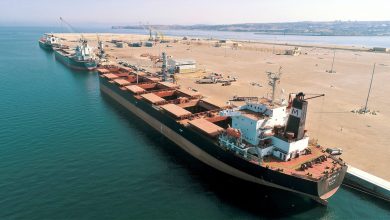
The conflict between Iran and Israel has led to supply disruptions, particularly in maritime logistics. Some major importers in the region, including Algeria, have sought to bolster their strategic reserves by holding urgent tenders and increasing advance purchases of grain. At the same time, exporting countries such as Russia and Ukraine have also faced challenges in planning their exports to the region, as shipowners have in some cases restricted operations.
As experts say, Iran-Israel conflict has clearly increased the overall level of risk in the grain market. From potential threats to close shipping lanes to financial and energy instabilities, a combination of factors has put the grain market, as a strategic market, under greater psychological and economic pressure. Fluctuations in oil prices, as a complementary indicator, have also played a role.