Reducing Freight Insurance Costs and Managing Risks in Grain Imports
Ms. Mehrnoush Shirani, Manager of Cargo, Ship and Aircraft Insurance at Taavon Insurance

Types of Grain Import Risks: Shirani divides grain import risks into several general categories:
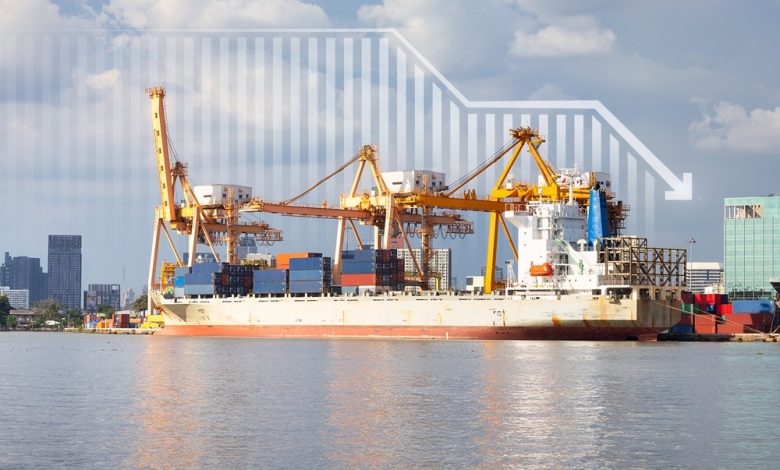
Transportation and logistics risks: including maritime and port risks (such as contamination and spoilage of goods) and land transportation and warehousing risks (such as accidents, theft, cargo loss, failure of ventilation systems, insect and rodent infestation, and temperature increases).

Financial and credit risks: including exchange rate fluctuations, default and non-payment risks, and changes in banking policies.
Legal and regulatory risks: including changes in trade and tariff laws, health and quarantine requirements, and contractual disputes.
Market and economic risks: including fluctuations in global grain prices, changes in consumption patterns, and government policies.
Environmental and natural disaster risks: including climate change and natural disasters.
Claims Handling Process
According to Shirani, the claims handling process includes reporting the claim to the insurer, initial investigation and assessment of the claim, submission of necessary documents, determination of the amount of damages payable, payment of damages, and recovery of damages from the person at fault for the accident.
Strategies to Reduce Freight Insurance Costs
Grain importers can manage freight insurance costs using a variety of strategies:
Choosing the type of shipping contract: CIF and FOB contracts each have a different impact on the cost of insurance. In a CIF contract, the exporter is responsible for insurance, while in an FOB contract, this responsibility is transferred to the importer.
Choosing insurance coverage appropriate to the risks: Insurers offer specific coverage to grain importers to protect against risks such as spoilage, delays in shipping, and damage caused by environmental factors. These include coverage for spoilage due to weather and humidity conditions and coverage for delays in customs clearance.