Lake Urmia Remains Caught Between Recovery and Collapse

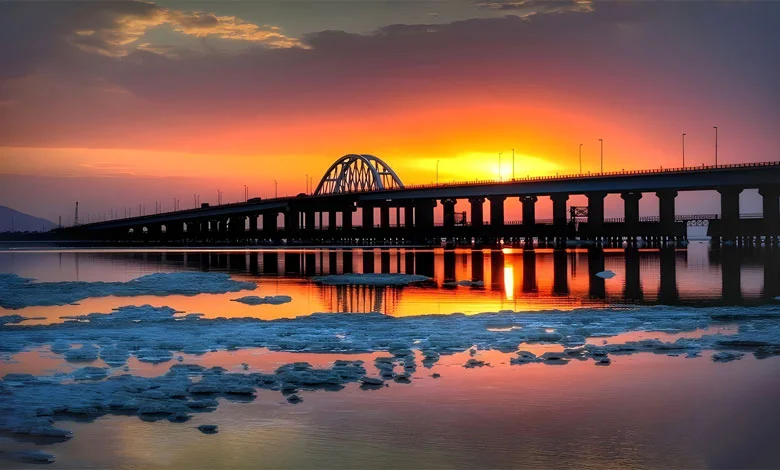
Mr. Mohammad Darvish, Environmental activist, says recent rainfall has improved conditions in Lake Urmia compared with the past six years, but the lake is still far from full ecological recovery.
According to Darvish, water volume has risen to around 3 billion cubic meters and the lake level has reached 1270.75 meters, while a sustainable ecological level would require the lake to exceed 1274 meters. He warned against portraying the recent improvements as a complete recovery.
Mr. Darvish argued that the core problem is not rainfall but water management. He said 103 dams and tens of thousands of wells across the basin are preventing the lake’s environmental water rights from being fulfilled, while excessive agricultural withdrawals leave even undammed rivers unable to feed the lake. He also pointed to the rapid expansion of water-intensive agriculture — especially apple orchards — as a major driver of the environmental crisis.
According to Darvish, saving Lake Urmia will require cutting agricultural water consumption by at least half, creating alternative livelihoods for local communities, and expanding renewable energy and non-agricultural industries in the region. He added that Iran must move away from a development model built on heavy water consumption and instead focus on trade, tourism, and low-water technologies if it hopes to preserve both Lake Urmia and the country’s long-term water security.