Dry Ports and Economic Command in Crisis Management


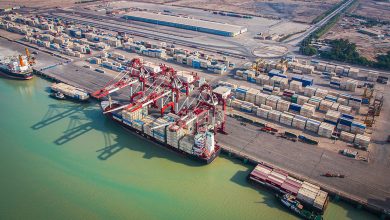
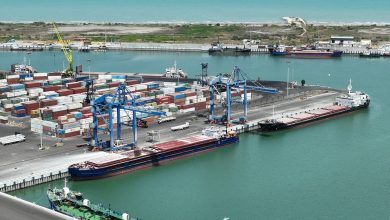
One of the main challenges is the country’s limited infrastructure in dry ports such as Isfahan and Kerman. These ports can reduce the traffic load of sea ports in critical situations, but currently do not have sufficient capacity to unload essential goods in a timely manner.
Also, military attacks and war can disrupt the shipping process by up to 50%. The lack of infrastructure preparedness for such situations is a serious threat to food security.
Along with improving domestic infrastructure, regional cooperation can bridge logistical gaps in times of crisis. The North-South Corridor connecting Iran, Russia, and India is a successful example of such cooperation, which has reduced shipping times from Europe to India by 40%.
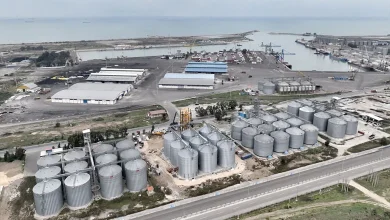
Bilateral agreements with countries such as Kazakhstan and Brazil could also reduce Iran’s dependence on a single import route, especially if northern ports such as Amirabad are upgraded. Expanding railways to northern provinces and creating joint logistics parks with neighboring countries could facilitate the storage and distribution of essential goods, a model that has been implemented in European dry ports such as Barcelona, reducing transit times by up to 30%.