Grain Value Chain Resilience

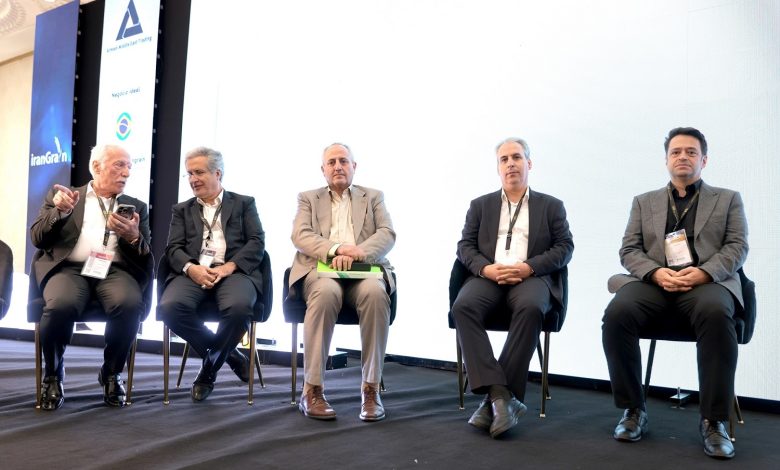
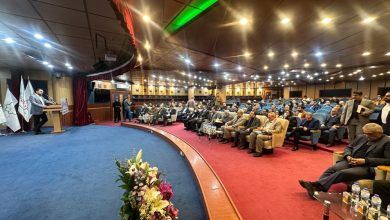
The first panel on the second day of the iranGrain conference began with the Grain Supply Chain Security panel, moderated by Mr. Amirhossein Afrashtehpour. In this panel, Afrashtehpour first explained the topic of food security.
Mr. Mohammad Jafari, Secretary of Iran Grains Union, explained and reviewed the current status of the grain supply chain and the challenges in this area in this panel. He said: Currently, some of the demands of importing companies have not been paid, and this has caused dissatisfaction among activists in this sector.
Given the sanctions and the activation of the snapback mechanism, it is necessary for the Ministry of Agriculture-Jihad, in cooperation with relevant associations and organizations, to provide new solutions for paying demands in order to maintain the trust of importers and to implement the registration of pending orders.
Mr. Ali Ebrahimi, CEO of the National Poultry Industry Support Fund, also stated in this panel: “The right path has not been chosen in the field of grain supply. The wrong insistence on self-sufficiency, given the country’s limited capacities, especially in the consumption of water and soil resources, has resulted in us no longer being able to achieve self-sufficiency in products such as wheat; a product whose self-sufficiency had been celebrated many times.”
Mr. Rangi, a board member of Iran Feed Grain Importers’ Union, said in this panel: “The market system is the result of the law against smuggling of goods and currency. This law was drafted during the Ahmadinejad administration and approved by the parliament; its implementation was suspended during the Rouhani administration, because it blocked the country’s trade. The law was suspended for a while, then it was re-implemented during Mr. Raisi’s administration; the result of the re-implementation of this law has been the disaster that has befallen us now.”