Global Maize Market Risks: Corn Supply Chain Challenges
Mr. Mohammadtaghi Naghavi, Chairman of the Board of Directors of Azem Group (Golshahd, Shahdineh, Goldineh)

Forecasts suggest that global grain production and trade may approach new records in 2025, provided that weather conditions, agricultural and trade policies, and geopolitical stability are favourable. Maize is expected to be a key driver of this growth. However, the market remains acutely sensitive to regional and international disruptions: climate variability, geopolitical tensions, and policy uncertainty—such as export restrictions, subsidies, biofuel regulations and biotechnology standards—may easily undermine such progress.
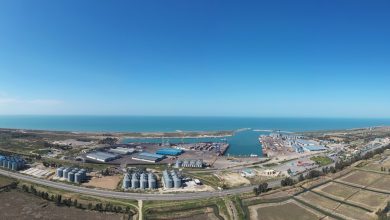
The ongoing war in Ukraine has severely affected port infrastructure in the Black Sea, with export routes—through Black Sea ports, the Danube, and the EU’s Solidarity Lanes—experiencing repeated interruptions due to security and logistical constraints. This has rendered Ukrainian maize exports highly volatile. Analysts estimate that exports stood at around 22 million tonnes in marketing year 2024/25, and could rise to 24–26 million tonnes in 2025/26, assuming weather conditions and logistical factors do not deteriorate further.
Another important factor is the cost and capacity of logistics. Shifts in bulk ocean freight rates—reflected in indices such as the Baltic Dry Index—together with port charges, maritime insurance premiums, border delays and security risks, can all influence maize CIF prices at destination markets. Periodic fluctuations in shipping costs or limitations in freight capacity can heighten contractual risks and increase the demand for hedging instruments in international trade.