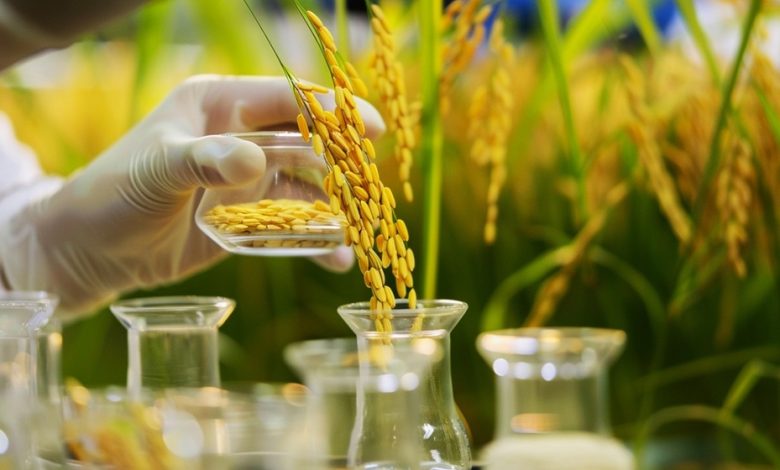
For Basmati rice, the percentage of broken grains should be very low. We allow between 1 and 3% by weight depending on the quality of the rice. This amount is always explicitly stated in the contract and, in addition, the Iranian National Standard No. 127 is our main reference in assessing the quality of imported rice. In some premium contracts, buyers request a percentage of broken grains lower than the standard, in which case our criterion is the strictest between the standard and the contract.
Controlling arsenic levels and preventing mixing is one of the most important parts of our monitoring in the field of rice imports. In Iran, inorganic arsenic (iAs) is measured based on the national standard 12968, which specifies the maximum permissible levels of heavy metals in human and animal feed. For this purpose, we use ICP reference devices in accredited laboratories.
Regarding blending, experience has shown that some exporters mix high-quality Basmati rice with cheaper varieties. To manage this risk, physical uniformity of the grains is checked and, if necessary, DNA testing is carried out in laboratories certified to ISO/IEC 17025. A cooking test is also used, which helps to quickly identify Basmati rice if its main characteristics, such as grain elongation or specific aroma, are absent.
If any non-conformity is observed, the matter is officially reported and, in accordance with the provisions of the contract, the shipment is corrected or enters the penalty and arbitration process.