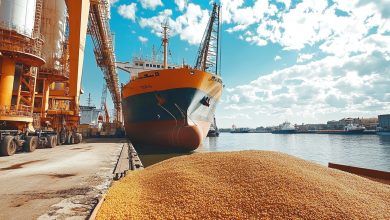
Caspian Sea Water Drop and Food Security Risks Amid Climate Change
Dr. Masoumeh Banihashemi, Head of the National Research Center of Caspian Sea

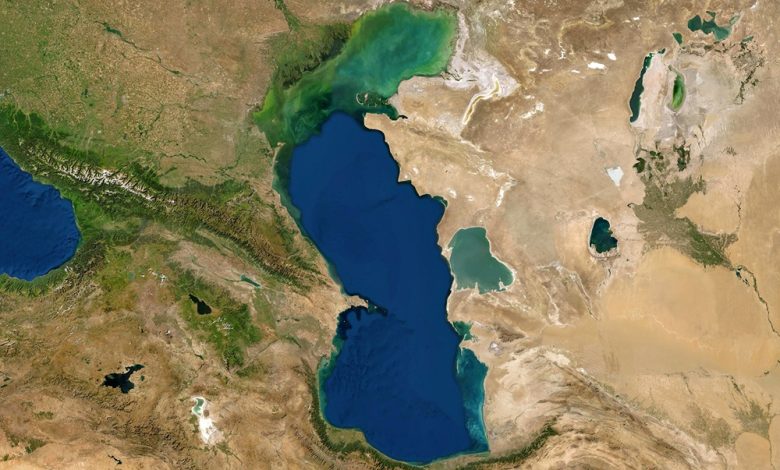
According to the latest report on the state of Caspian water fluctuations, the sea level has been facing a downward trend since 1996, and the Caspian water level has decreased by 240 centimeters over 29 years. Most of the decrease during this period has occurred since 2021. According to the latest study results, 2024 was the fourth consecutive year of increasing decrease in the Caspian water level, and currently the sea level is close to the lowest water level in the last 500 years of this sea (1977) and is expected to pass this minimum level in 2025.
Studies have shown that the recent trend of sea water fluctuations is related to climatic factors and climate change prevailing in the region, especially the increase in temperature compared to the long-term average and its effect on the increase in evaporation from the sea surface, the decrease in precipitation in the Caspian basin, and the decrease in the volume of water discharge from the main rivers as two influential factors in the water balance. These results come at a time when researchers have predicted, based on climate change scenarios, an increase in temperature and a further decrease in the Caspian water level by the end of this century.