Today, special attention to logistics and grain storage plays a vital role in the policy-making of companies active in the grain trade and related processing industries. Considering risk indicators and their management to minimize or eliminate them is crucial for any business. This article briefly examines the main risk factors from business, quality, and operational perspectives.
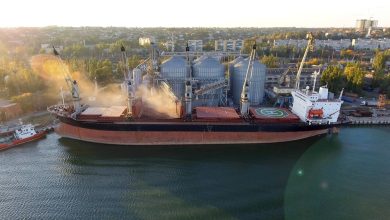
Grains are a valuable national asset. For example, a single ship carrying 70,000 tons of corn valued at $280 per ton represents roughly $2 million worth of product stored in each silo bin, highlighting the critical importance of proper storage. Non-standard storage facilities, such as open warehouses, lack essential controls like temperature and aeration, increasing risks.
Major risk indicators include:
Product spoilage due to uncontrolled temperature, moisture, pest infestations, and contamination.
Quality degradation impacting end-products like animal feed, flour, and starch, potentially reducing grain value by up to 50%.
Environmental factors, especially heat and humidity, increase spoilage risks in certain regions.
Moisture content and storage duration critically affect grain quality, with poor conditions drastically reducing value.
Inventory management risks, where improper storage can disrupt production cycles and cause financial losses.
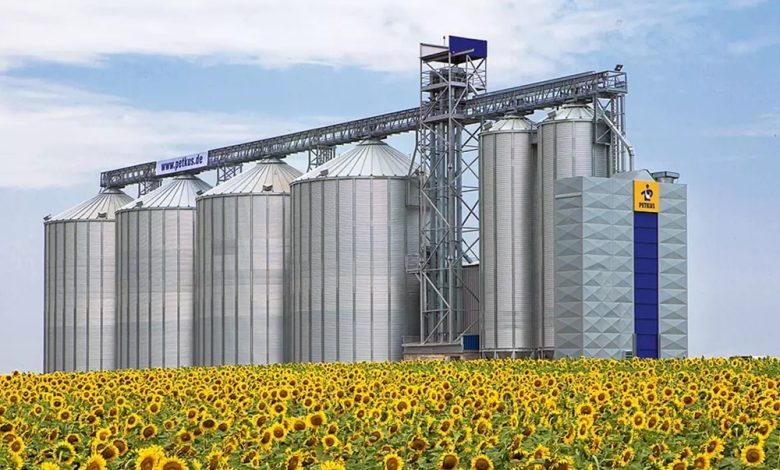
In conclusion, efficient, well-designed grain storage silos are essential to reduce risks associated with logistics, maintain grain quality, and improve overall profitability in the grain industry.