Imported Inputs Crisis and FX Disruption Shake Iran’s Supply Chain
Mr. Amir Esmaeili, CEO of Royal Molasses Company

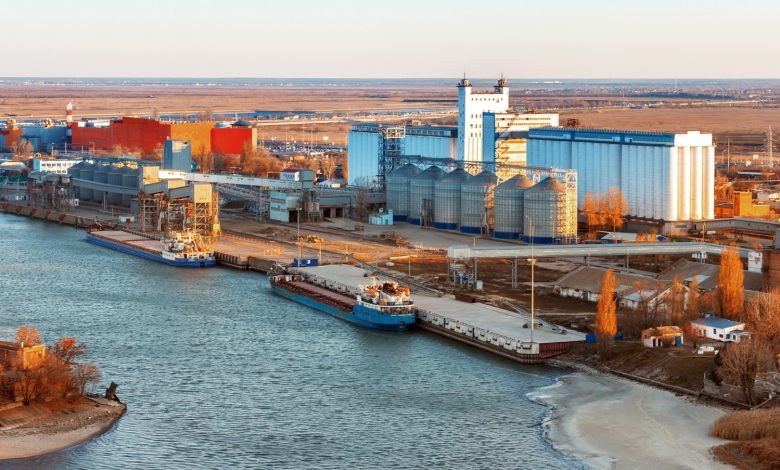
Currently, preferential foreign exchange allocation is mainly limited to commodity group 21, which includes livestock inputs such as corn, barley, soybean meal, and crude edible oils. However, the allocation process is facing serious disruption.
In such a way that despite declaring the goods to customs and entering the ports, they still remain in the foreign exchange allocation queue, and this long delay, which reaches more than 8 months, has faced many problems for importers.
Currently, the country’s customs inventory is about one-third of the same as last year, while official statistics show that the import of inputs has not only not decreased, but has also increased slightly. In other words, some of the goods have been removed from the official cycle and accumulated in the warehouses of intermediaries, which are not subject to any kind of supervision or transparency.
Currently, about 20 percent of Iran’s grain and input needs are met through Russia, with more than 70 percent coming from countries such as Brazil and Argentina. Although Russia is ostensibly Iran’s strategic partner, increasing dependence on it, especially in the face of export bans imposed by Moscow, could be costly for Iran’s food security.