War, Naval Blockade & Liquidity Crisis; Iran’s Edible Oil Industry under Pressure
Mr. Siamak Rabiei, Secretary of Iran’s Edible Oils and Fats Association

The naval blockade of Iran’s southern ports and ongoing import restrictions have pushed the country’s edible oil supply chain into a serious crisis.
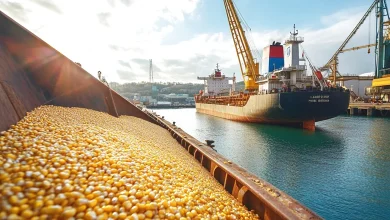
According to Rabiei, most palm oil — a key ingredient used in confectionery, chocolate, chips, and snack production — was previously imported through Imam Khomeini Port.
However, imports are now limited to costly alternative routes via Turkey and overland transportation. He warned that if these conditions persist, food industries heavily dependent on palm oil will face the greatest disruption.
Iran requires around 150,000 tons of crude edible oil per month, nearly 30 percent of which comes from the palm oil family. Rabiei said that continued shortages could force manufacturers to rely on hydrogenation processes to produce solid fats, a move that may significantly increase trans fat levels and pose health risks to consumers. He described the situation as a setback to years of efforts aimed at reducing trans fats in food products.
Mr. Rabiei also identified the liquidity crunch as the industry’s second major challenge. He explained that currency devaluation and the removal of subsidized exchange rates have sharply increased the cost of importing raw materials and packaging, while significantly weakening companies’ purchasing power.
Importers are now required to pay the full value of shipments before cargo loading, while delayed government repayments related to foreign exchange subsidies continue to place additional financial pressure on producers and suppliers of essential goods.