Pulses Imports: Challenges and the Impact of Sanctions on Currency Allocation
Mr. Talebi, Inspector of Iran Pulses & Legumes Association

One of the main problems for importers is the time-consuming process of currency allocation, because the registration of orders, which is done in the second hall of the exchange center, often remains in the Central Bank’s currency allocation queue for more than 120 days. In these circumstances, importers cannot predict the final price of the goods and take high risks in importing.
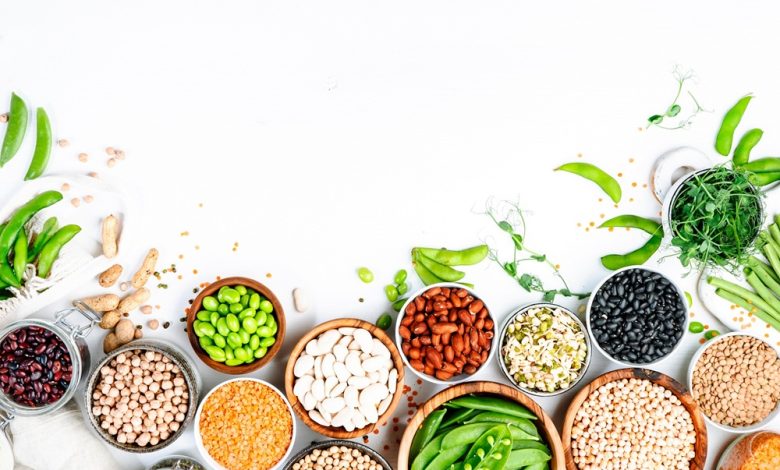
The annual consumption of pulses and legumes in Iran is estimated at 750,000 to 900,000 tons, part of which is supplied from domestic production. However, drought, climate change, and frost in recent years have caused a significant drop in the harvest of some crops and increased dependence on imports. Also, last year, the reduction in the harvest of pinto beans due to frost caused a jump in the price of this product in the market. In this regard, for example, more than 70 percent of the lentils consumed in the country are supplied from imports.
Unfortunately, sanctions have made it impossible to make direct payments even in transactions with friendly countries like Russia, and importers are forced to use third countries to complete transactions, which is costly and time-consuming.