Afra Protein CEO: Key Risks in the Iranian Protein Industry
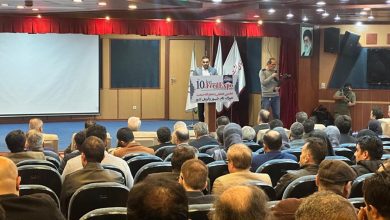
Dr. Shaeri, CEO of Afra Protein Complex

Heavy dependence on imports of raw materials such as corn and soybeans, the two main pillars of livestock and poultry feed production, is considered one of the most important challenges, because more than 70 percent of the country’s needs are met through imports, making the production chain very vulnerable.
On the other hand, any increase in the exchange rate severely affects production costs and makes long-term planning almost impossible.
Transportation problems, inefficient warehousing, and lack of integration in the distribution network cause waste of time and resources. Short-term policies, sudden changes in banking facilities, and lack of continuous support for domestic production have also led to weakening of investor confidence in this industry. Also, smuggling of protein products into the market, without paying taxes and domestic production costs, makes competition unfair and puts pressure on domestic producers.
The supply chain in the protein industry is one of the most sensitive and complex chains. Any failure at any moment and at any point (such as a delay in feed supply or a fuel and energy crisis) can stop the entire system. Therefore, issues such as unstable supply of raw materials, fluctuations in energy and transportation prices, animal diseases and epidemics, disruption in distribution logistics, dependence on imports, and mandated prices are among the most important risks in this sector.