14.5 MTs of Wheat Expected
Wheat Project Manager of the Ministry of Agriculture, Esmaeil Esfandiaripur:

Confectionary Prices 30% Higher than Last Year: Official
Ali Bahremand, Head of Confectioners Union of Iran, said the price of confectionary items has jumped by 30 percent in the current calendar year, which began on March 21, compared to the preceding year. The official said the Organization for the Protection of Consumers and Producers (OPCP) has signed off on the new price list of the items back in July, adding OPCP had considered only 15 percent profit margin for confectioners.
He also added that the Union would not second unbridled price given the people’s reduced purchasing power despite rising production costs for confectioners.
Wheat Project Manager of the Ministry of Agriculture, Esmaeil Esfandiaripur:
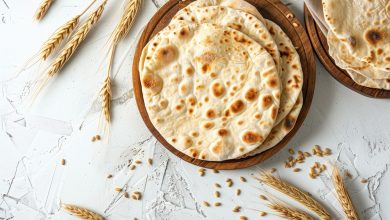
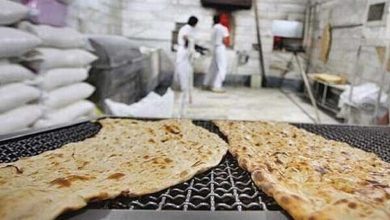
14.5 Million Tons of Wheat Expected to Be Produced in the Coming Year
With regard to the experience of the previous years in increasing wheat self-sufficiency coefficient, 14.5 million tons of wheat has been predicted and targeted for the Solar Year 1399, beginning on March 21, 2020; and in this regard, technical measures and programs have been put on the agenda of the specialized units and the concerned departments in the Ministry of Agriculture for mechanized cultivation, optimal nutrition, crop protection against pests, diseases and weeds, development of new irrigation methods, etc. I hope that this prediction will come true through gaining satisfaction form farmers.
Chief Marketing Officer of Tak Makaron Company, Abdolreza Kashani:
The Need for Semantic and Executive Correction of Value Added
Value added, in Iran, is not implemented in the true sense of the word, and perhaps we are currently faced with “Inflation Added” rather than Value Added! As a matter of fact, the principles of receiving tax from producers are in return for providing the production and industry sector with facilities, while in Iran not only are few facilities provided to producers but also strict laws such as the return of export currency to the government, offering bank loans with high interest rates and imposition of value added on products are implemented.
This year’s budget bill has been prepared with major differences such as a two-year plan and elimination of oil revenues, which was at first rejected by the parliament.
Majid Karkhaneh, Ph.D. in Economics:
With regard to the government’s considerable monopoly on wheat purchase and sale, there is very little freedom in the wheat market to buy and export and there is no flexibility to do so, which is a significant factor in the inefficiency of wheat marketing in the international level.
Secretary of the Iranian Association of Vegetable Oil Industries, Amir Houshang Birashk, said, “With regard to the cruel sanctions against our country, the Association of Vegetable Oil Industries has made detailed planning in cooperation with the Central Bank of Iran, and the ‘Ministry of Industry, Mine and Trade’ concerning import, the result of which is the least possible tension in the country’s vegetable oil market. Fortunately, there is no problem in supplying the crude oil needed to produce vegetable oil, and we hope that there will be no tension in the vegetable oil market given the planning for imports by this year’s end.”
Pointing out that the country needed soya bean meal for use in the livestock and poultry food chain was approximately 2.5 million tons and the need for crude oil varieties was approximately 1.5 million tons, Director of Planning Statistics for the Iranian Oil-Producing Industry Association, Jafari, said, “The unnecessary import of final products of the oil-producing factories has made the situation difficult for domestic producers. Of course, this is not only a problem for factories but also a serious problem for the development of oilseed crop cultivation and the increase in self-sufficiency coefficient in supplying crude oil and meal as processing industries are complementary to farmers’ activities.
Highlighting that the subject of the IranGrain Conference was concerned with addressing banking affairs and the way to transfer money under sanctions, Head of the Iran–Switzerland Chamber of Commerce, Sharif Nezam Mafi, added, “This is significant so as to facilitate a way forward for businessmen and activists in this field in order for them to take steps to remove barriers to their foreign exchange. In addition, cereal trade- as one of the most attractive issues-, trade markets and the various industries that depend on this trade can attract a great number of audience in the ongoing years of this conference.
In assessment of Iran’s cereal market and oilseeds, Naveh-si, who is a senior foreign trade expert at Iran Garment Co., pointed out that, “According to reports from the Ministry of Agriculture, fortunately, production of basic commodities has grown steadily in recent years, and the annual growth is estimated at 20 percent in the production of cereals and livestock feed in the plans of the Ministry of Agriculture. This will be an effective step towards self-sufficiency in supplying livestock and poultry feed in the future as 80 percent of the country’s needed livestock and poultry feed is currently imported.