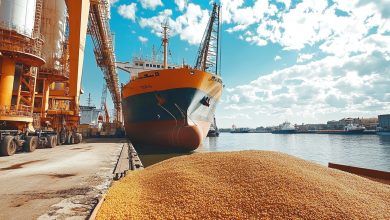
Political instability, both domestically and internationally, is a major risk for importers. Political unrest, sanctions, and sudden changes in government laws and regulations can significantly negatively impact international trade and the import of goods, turning a lucrative imported product into a risky, dangerous one. On the other hand, delays in the arrival of the product at the destination, damage to the product, and increased transportation costs are among the transportation risks that importers will face during the import process.
Transportation plans may also be disrupted due to adverse weather conditions, technical problems, or congestion at ports and customs, leading to delays in the arrival of goods.
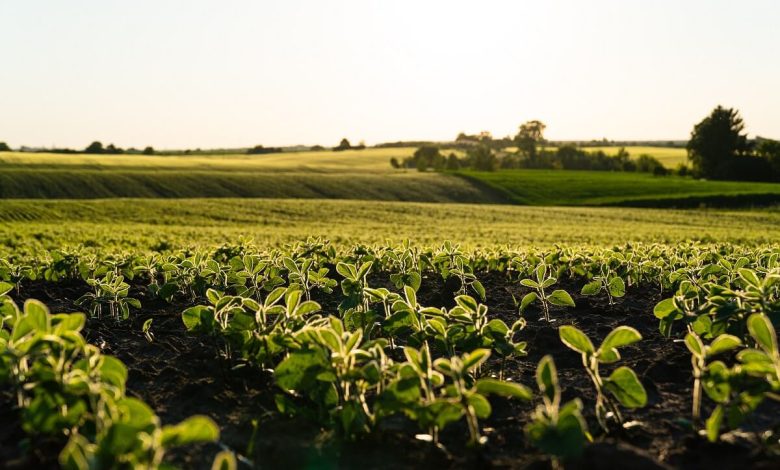
This heat wave and unexpected weather changes this season play a significant role in the quality and quantity of the produced products. Also, the start of planting of winter grains such as wheat in Europe and Russia, which determines the production of the following year, and the possibility of unusual rainfall or early frosts in the autumn that could affect the growth of the plant, are among the factors that importers should consider in the autumn.
The status of global grain reserves at the end of the year and the examination of price changes due to supply and demand are among the issues that must be evaluated at the end of the winter season, in addition to monitoring the occurrence of severe frosts in supplying countries.