Trump’s Storm: Impact on Iran’s Economy and the Rise of Emerging Powers
According to Mehdi Khorsand, an economist and Eurasia analyst,

According to Mehdi Khorsand, an economist and Eurasia analyst, the United States, with about 25% share of the global economy, remains the largest and most influential economic power worldwide. The US presidential elections, especially with Donald Trump in office, significantly affect global markets and can cause major fluctuations in financial sectors.
Khorsand highlights Iran’s long-standing structural inflation and how external pressures, sanctions, and efforts to reduce economic dependence on the international arena have made Iran’s economy highly sensitive to external shocks, including US policy shifts. Trump’s administration has continued applying pressure on Iran, aiming to force it into negotiations and concessions.
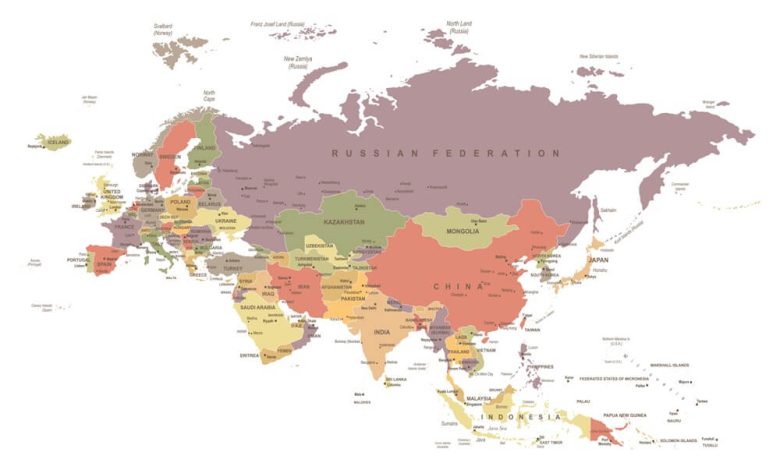
He also points out that emerging powers like China, Russia, Brazil, and India seek a greater role in the global order, challenging US hegemony—a trend that has intensified since the early 21st century. The declining dominance of the US dollar in global reserves—from 75% after World War II to less than 50% today—signals a serious challenge to US power.
Khorsand explains Trump’s “madman theory” approach: through unpredictable and aggressive actions, the US attempts to intimidate rivals, including attempts to expand territorial influence and increase sanctions on Iran.
While Russia has shown a more cautious, defensive stance, China appears to adopt a more defensive posture. Iran, lacking the economic scale of these powers and heavily dependent on them, suffers more from such external shocks.
Ultimately, Khorsand expresses hope that Iran can overcome this storm through leveraging its own capacities and regional cooperation with emerging powers.