Iran’s Northern Ports at the Frontline of Food Supply Security
Mr. Ebrahimi, Director of Grain and Food Products Inspection Department at SGS in Iran


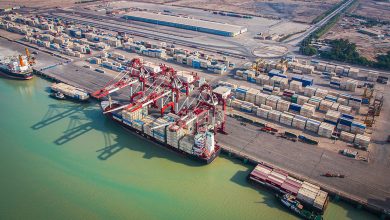
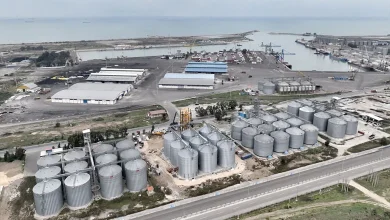
With the increasing volume of essential goods imports through Iran’s northern ports, particularly in trade with Caspian Sea countries and Russia, the operational capacity of ports, logistics infrastructure and inspection processes are facing new challenges.
The shift of part of the trade routes does not only increase unloading, loading and storage activities; it also leads to more stages of cargo handling, resulting in a higher number of inspections and sampling procedures — a factor that may create additional quality and operational risks across the supply chain.
The increased movement of grains, crude vegetable oils and animal feed ingredients between entry points and consumption centers raises the possibility of physical damage, grain breakage, moisture changes, cross-contamination, cargo mixing, pest infestation and quality deterioration. At the same time, as transportation routes become more complex, the importance of accurate cargo traceability and comprehensive documentation control becomes increasingly critical.
Under such circumstances, expanding port capacity must be accompanied by strengthening the operational capabilities of inspection companies. Employing specialized experts, advanced equipment and Risk-Based Inspection (RBI) systems can help accommodate growing trade volumes while maintaining the accuracy, reliability and quality of inspection processes.
One of the key requirements in this process is achieving a balance between trade facilitation and food safety standards. Accelerating import procedures should not result in reduced inspection requirements or weaker quality controls. Instead, the use of digital technologies, advanced storage facilities and automated sampling systems can reduce operational delays while improving confidence in the safety and quality of imported goods.
This issue is also significant from an international trade perspective, as Iran’s northern ports could play a greater role in connecting the country with Russia and other Caspian Sea markets amid changing trade routes. However, increasing trade capacity without simultaneous development of port infrastructure, logistics networks, customs procedures and inspection capabilities could create new challenges for the essential goods supply chain.
Ultimately, infrastructure development, smart risk assessment approaches and maintaining independence and impartiality in inspection processes will be essential for building a resilient supply chain — one capable of responding more efficiently to import requirements while ensuring compliance with quality standards and food safety regulations.