The Caspian Sea at the Heart of Russia–Iran Grain Trade: From Export Quotas to Vessel Shortages
Ms. Nafiseh Sedaghati, CEO of PANOMARIX

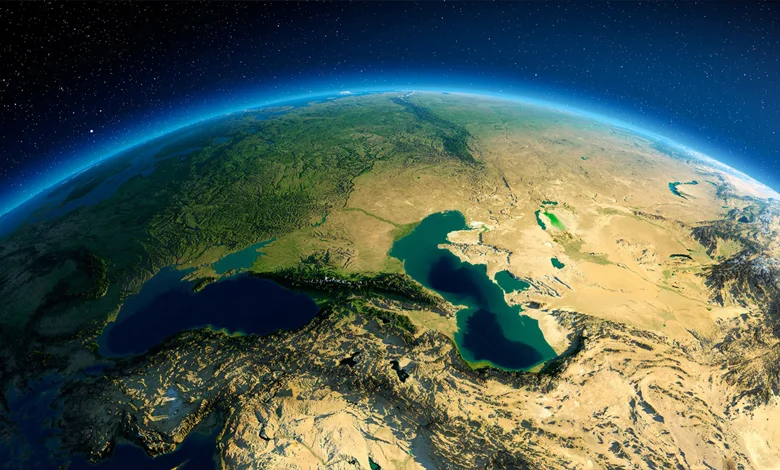
Geopolitical developments and growing risks along the Black Sea export routes have made the Caspian corridor one of the vital routes for Russia’s grain trade with Iran.

At the same time, the route faces a range of challenges, including fluctuations in the ruble and Iranian rial, complex documentation requirements, competition from Kazakh exporters and traders operating through the Azov and Black Sea ports, as well as Iran’s pricing policies and import quotas. These factors are putting pressure on the Caspian market and, according to PANOMARIX, are at odds with the broader objective of Iran and Russia to expand trade through the Caspian corridor.
Russia’s grain export quotas are also a key issue in trade with Iran. While quotas have provided market participants with a degree of planning certainty, removing export quotas for grain shipments to Iran and aligning Iran’s conditions with those applied to other Eurasian countries could create greater opportunities for trade expansion. At the same time, Russian exporters have been adapting to changing conditions through greater use of barter and alternative payment mechanisms, diversification of shipping partners, and pre-positioning grain stocks near Caspian ports.
From a logistics perspective, exports to Iran are carried through ports along the Volga River and Makhachkala, while expanding rail capacity on both sides of the Caspian and reducing transit tariffs in countries along the route, including Kazakhstan and Turkmenistan, are considered essential to improving the efficiency of the logistics network. Meanwhile, a moderate shortage of suitable vessels, limited fleet capacity, increased demand, maintenance delays, and difficulties in accessing financing for fleet renewal are putting additional pressure on Caspian maritime transportation.
According to this assessment, the average loading time at Astrakhan and Makhachkala is currently 3–5 days, compared with 2–3 days in early 2025, while unloading at Anzali and Amirabad ports takes around 4–6 days. However, more favorable pricing conditions could encourage private-sector investment in new vessels, port infrastructure, and faster loading and unloading operations. With appropriate planning and coordination, the Caspian Sea has the potential to handle trade volumes of up to around 8 million tons.
PANOMARIX, headquartered in Moscow with a branch in Astrakhan, specializes in the sourcing and export of wheat, barley, corn, and animal feed commodities and handles approximately 200,000–300,000 tons annually. With five owned vessels and access to port infrastructure in Iran and Astrakhan, as well as rail facilities in Incheboroun, the company positions itself as an active player in the grain supply chain serving the Iranian market.