
Strait of Hormuz and the Persian Gulf: A Critical Chokepoint in the Global Subsea Internet Cable Network

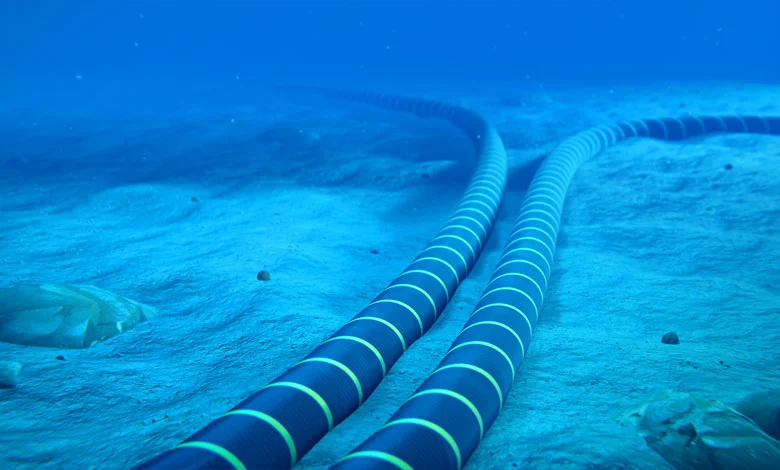
The global internet is built on more than 550 submarine fiber-optic cable systems, which carry around 95–99% of international data traffic.
The Persian Gulf, particularly the Strait of Hormuz, is one of the most critical chokepoints in this network, with multiple intercontinental cables passing through it and connecting Asia to Europe and Africa.
Countries in the region, including the UAE, Saudi Arabia, Qatar, Kuwait, and Bahrain, heavily depend on these limited routes.
Due to geopolitical sensitivity, some cables are landed in safer locations such as Oman, but the high concentration of infrastructure still makes this corridor vulnerable.
Major systems such as AAE-1, FALCON, and GBICS pass through this route and play a key role in intercontinental connectivity. Iran is also connected via the Persian Gulf and the Sea of Oman.
Any disruption in these routes could have serious consequences for global internet stability and the digital economy.
