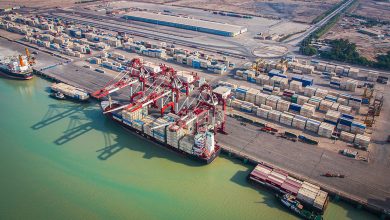
95 percent of the oilseeds and oil needed by the country in the past three years have been supplied through imports, because oilseed cultivation in the country has been extremely weak, and despite the Ministry of Agriculture’s plans to increase oilseed cultivation domestically to 30 percent, this issue is still out of the question, because in addition to high water consumption, domestic oilseed cultivation is associated with staggering production costs, and its production and sale is not economically viable for farmers.
On the other hand, the lack of proper investment in recent years and the failure to improve cultivation methods scientifically and technically are among the factors that have contributed to the weakening of oilseed cultivation in Iran.
Unfortunately, in addition to the inefficiency of equipment and technology in the agricultural industry, we face a loss of efficiency and an increase in production costs. For example, the price of fertilizer, one of the basic items in production, has increased 1.5 times over the past three months.
More than 20 oil extraction factories are active in the country, but more than 90 percent of the grain import volume and 80 percent of the oil production volume are allocated to only 3 industrial groups. Therefore, this issue has caused the entry of new companies into this sector, even from the government’s side, to be economically unprofitable due to the saturation of the industry.
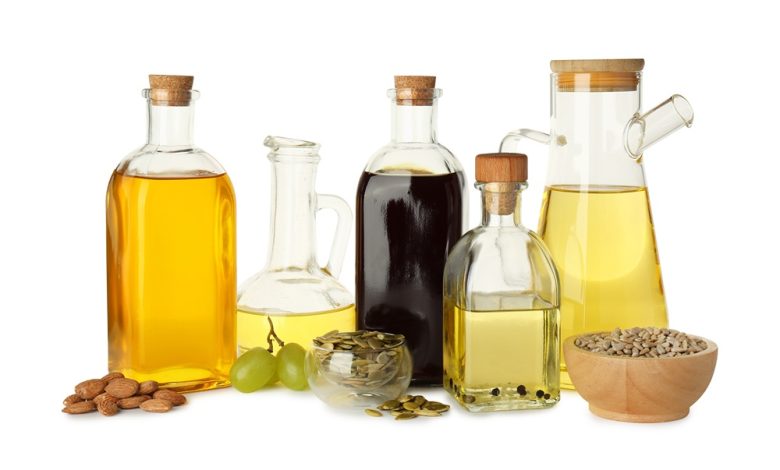
99 percent of sunflower and palm oil, which is for household consumption, is supplied through imports; however, in the rapeseed and corn sectors, part of the need is met by domestic production and the rest through imports. Therefore, the supply of sunflower and palm oil is affected by global fluctuations, currency allocation problems, and shortages of foreign exchange resources. If proper planning is not done to supply it on time, access to this food will face a crisis, which unfortunately generally reflects the weakness in management in this area.