On the one hand,MENA (Middle East &North Africa) countries such as Iran are heavily dependent on grain imports to meet their food security needs. On the other hand, due to climate instability in major grain-producing countries such as Russia, Brazil and Ukraine, we are witnessing a decline in agricultural production in these countries as climate change intensifies and more extreme weather events occur.
As a result, MENA countries are being pushed into a dangerous situation that threatens their food security and economic stability.
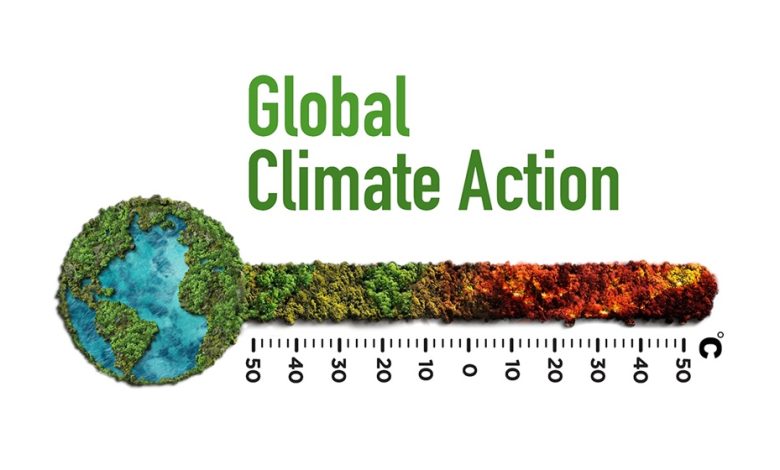
Climate change is causing droughts, more severe floods, shifting rainfall patterns, and other adverse conditions. Poor harvests in any of these countries could lead to sudden price increases and supply constraints on the global market. Such scenarios could increase import costs for countries like Iran, putting significant pressure on national budgets, potentially fueling food insecurity and social unrest.
Diversifying grain sources: MENA countries’ strategy to deal with various tensions
Grain production in exporting countries such as Brazil is affected by climate change. In Brazil, in particular, soybean and corn production is heavily affected by weather conditions. With MENA countries relying on Brazil to fill the gap caused by shortages in Russia and Ukraine, any reduction in production due to climate conditions could disrupt existing supply chains.
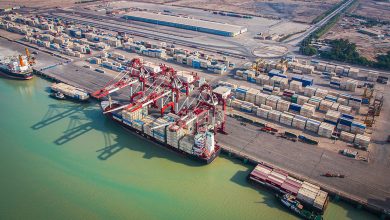
The first impact of supply chain disruptions will be on logistics. Delays in transportation or supply shortages could lead to shortages and price increases. Uncertainty about grain supply could also lead to panic buying in MENA countries, further driving up prices and complicating the situation. Furthermore, political tensions and vulnerabilities in these regions could exacerbate food shortages, leading to further instability and unrest. The only way for MENA countries to address these risks is to diversify their grain sources and avoid becoming dependent on a limited number of suppliers.