
GrainCom 2026; The End of the Rapid Growth Era in Global Grain Markets
Date: May 11–13, 2026 | Geneva, Switzerland

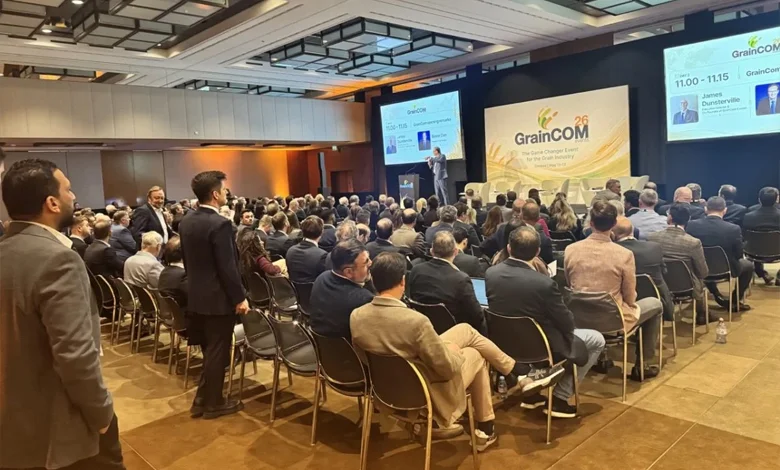
GrainCom 2026 in Geneva highlighted a structural shift in global grain trade, marking a transition from periods of supply shortages and price surges to a fundamentally new market phase.
The focus has shifted away from supply shocks and geopolitical disruptions toward risk management, supply chain security, and cost control. Rising production in South America—especially Brazil—along with improving global stock levels and slower Chinese import growth has eased chronic supply pressure, pushing the market into a phase of intense competition and thinner margins.
On the demand side, China’s role as the traditional growth engine of grain imports is weakening, redirecting global trade flows toward alternative markets in Africa, Southeast Asia, and the Middle East. Meanwhile, Brazil is consolidating its position as a dominant player in global corn and soybean markets due to its production growth and cost advantages.
One of the key messages of the event was the rising importance of geopolitics in global price formation. From the Red Sea to the Persian Gulf and the Strait of Hormuz, political risks are now directly impacting shipping and insurance costs.
At the same time, the digital transformation of grain trade is accelerating, signaling a deep restructuring of traditional commodity trading systems.
The core takeaway is clear: supply chain security has become more important than short-term growth, and the global grain market is entering a new era defined by resilience, risk management, and adaptability.
