Government Owes $3 Billion to Union of Livestock Inputs Importers Amid Currency Allocation Challenges Threatening Food Security
Mohammadreza Kalami, Secretary of Iran’s Union of Animal Feed Importers

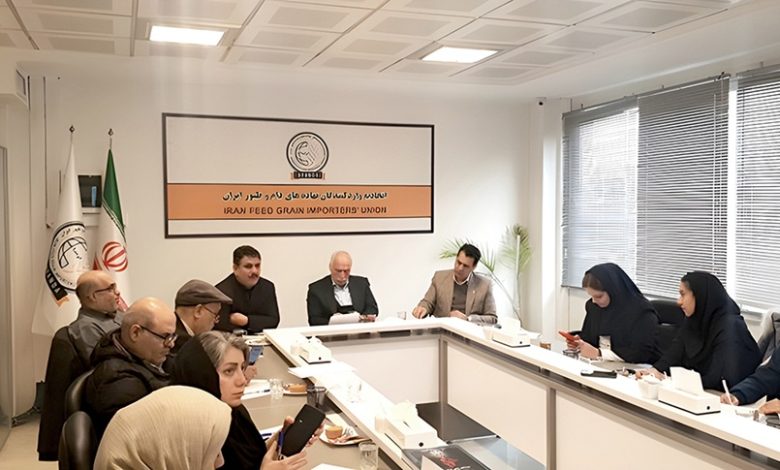
Mohammadreza Kalami, Secretary of Iran’s Union of Animal Feed Importers, stated that while foreign currency for animal feed imports was allocated for the first half of the year, no currency allocation has been made since late September. Without this funding, continued imports may face difficulties.
Kalami highlighted that Iran’s 2024 budget allocated $15 billion (13.6 billion euros) for essential goods, including $11.5 billion for imports, but only $8.7 billion has been utilized so far, much of which went to past debts.
He emphasized that animal feed commodities like corn, barley, soybean meal, and soybeans are vital for the country’s food security, affecting poultry, red meat, dairy, eggs, and edible oil sectors. Iran relies heavily on imports for these feed inputs due to domestic production limits and drought.
The union praised recent improvements in feed supply stability through government-managed platforms reducing market monopolies and benefiting producers and consumers, noting a 5% drop in poultry prices linked to feed price stabilization.
However, Kalami pointed to challenges such as banks demanding 35% financial guarantees despite delayed currency allocation and shortened import order registration times, which increase costs and uncertainty for importers.
He warned of potential disruptions if Russia imposes export restrictions on corn, which currently accounts for 20% of Iran’s corn imports. Kalami urged the government to diversify import sources and consider replacing corn with animal feed wheat.
Additionally, Daoud Rangi, chairman of the board, called for better coordination among regulatory bodies to avoid duplicative inspections that delay clearance and increase costs.