

-
Wheat
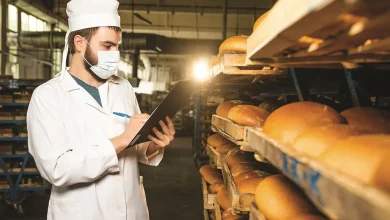
The $20 Billion Bread Chain; a Large Market Caught in Prescriptive Pricing
Iran’s downstream wheat-based industry — including flour, bread, and pasta — is estimated to be worth around $20–25 billion, yet…
Read More » -
Risk News
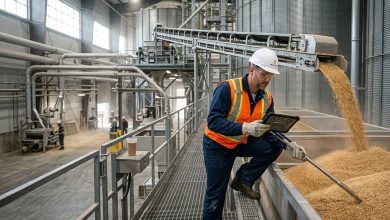
Grain Inspection in Wartime: Safeguarding Food Security and Supply Chains
In an interview with Negashteh Magazine, Ms. Marjan Ranjbar, Grain Project Manager at Iran Standard & Quality Inspection Company, explained…
Read More » -
Grain Logistics
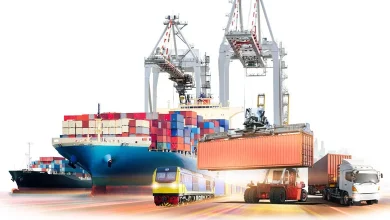
Alternative Trade Corridors Cannot Fully Replace Iran’s Southern Ports Yet
Mr. Mohammad Navid, Deputy CEO of Sabah Tejarat Hamid Company (active in the field of grain & inputs import), says…
Read More » -
114
-
Edible Oil
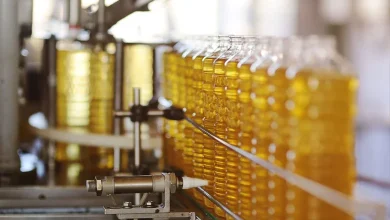
War, Naval Blockade & Liquidity Crisis; Iran’s Edible Oil Industry under Pressure
The naval blockade of Iran’s southern ports and ongoing import restrictions have pushed the country’s edible oil supply chain into…
Read More » -
Livestock Feed
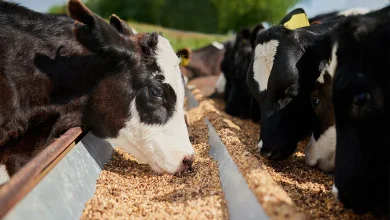
Crisis in Livestock Input Trade; Warning about New Wave of Protein Commodity Price Hikes in Iran
Mr. Shahram Asef, a member of the Iran Feed Grain Importers’ Union, that long delays in government payments to private…
Read More » -
Grain Imports

Northern Ports under Pressure from Imports; Grain Market Activists Call for Increased Vessels
As import restrictions through Iran’s southern routes continue, a growing share of essential goods is now being redirected to northern…
Read More » -
113
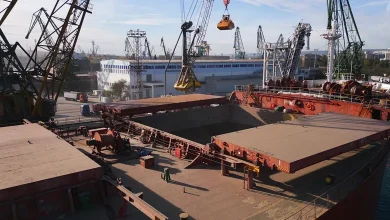
Demand falls and supply freezes in the livestock input market after currency liberalization
Currency fluctuations have severely reduced market liquidity and delivered a downward shock to demand. Although the market appears to be…
Read More » -
113
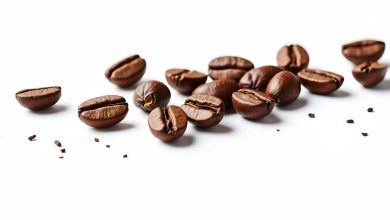
The 18,000-ton paradox in the coffee trade
According to the “Abstraction Law”, the Ministry of Agriculture-Jihad is responsible for importing and estimating the country’s need for…
Read More » -
113
A glance at the difference between the liberalization of the 4,200 and 28,500 Toman currency
The current challenges facing livestock and poultry producers stem from developments over the past few months. Since late September, the…
Read More »