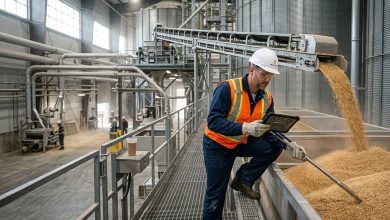
Inspection on the Front Line of Food Security: How Essential Commodity Supplies Were Protected During the Crisis
Mehdi Tavalliat, Managing Director, Cotecna Inspection Company

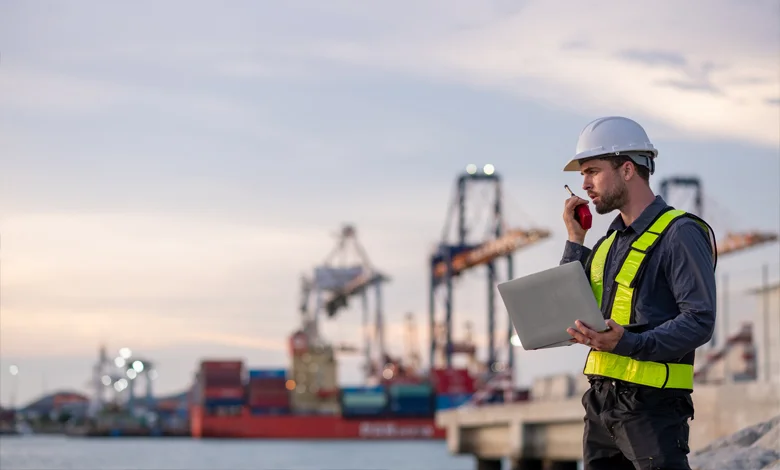
The recent conflict highlighted the often-overlooked role of the inspection industry as a critical pillar of food security and international trade. While import routes were disrupted and logistics networks came under unprecedented pressure, inspection companies continued operating without interruption, ensuring that quality control, sampling and conformity assessment of essential commodities remained fully operational.
One of the most significant changes was the diversion of part of Iran’s imports from southern ports to the Caspian Sea. This created major logistical challenges because southern ports can accommodate vessels carrying 60,000–70,000 tons, whereas ships operating in the Caspian typically carry only 3,000–5,000 tons. As a result, moving the equivalent cargo of one large vessel required 18–20 smaller ships, significantly increasing the complexity of freight operations and supply chain management.
Despite these constraints, inspection and quality assurance procedures continued without compromising standards. The most serious obstacle was not product quality, but internet disruptions, which delayed the transmission of inspection reports, laboratory results and technical documentation from inspectors stationed abroad, slowing customs clearance in some cases.
The experience demonstrated that improving supply chain resilience requires more than expanding transport infrastructure. It also depends on developing crisis-response protocols, diversifying import routes and sourcing countries, and implementing risk-based inspection systems that maintain rigorous controls for essential food products while allowing faster clearance for lower-risk goods during emergencies. Supported by approximately 30,000 inspection and conformity assessment professionals, the sector represents a strategic asset for strengthening food security and safeguarding trade continuity during future geopolitical crises.