Strait of Hormuz Is under Iranian and Omani Sovereignty; the U.S. Can neither Grant nor Revoke Those Rights
Dr. Mohammadali Bahmani Qajar, Historian and PhD in International Law

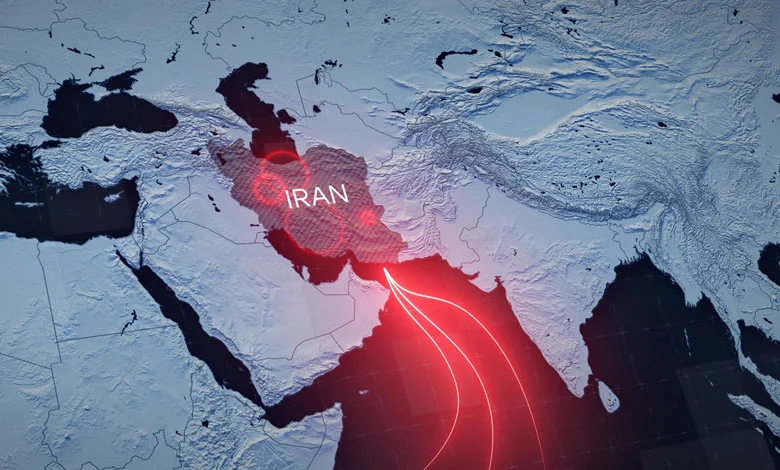
The Strait of Hormuz has once again become a focal point of global attention. As one of the world’s most critical energy chokepoints, any political or security development in the narrow waterway reverberates far beyond the Persian Gulf.
Yet despite its immense strategic importance, its legal status under international law has long been established and, contrary to some political narratives, is not something that can be redefined through negotiations between major powers.
While the Strait of Hormuz is considered an international waterway, this does not mean it belongs to the international community as a shared global asset. The strait lies within the territorial waters of Iran and Oman, giving both coastal states sovereign rights as well as obligations toward international navigation. In this context, the future legal framework of Hormuz is tied far more closely to cooperation between Tehran and Muscat than to decisions made by external powers.
Over the years, proposals ranging from tighter controls on maritime traffic to the imposition of transit fees have periodically surfaced. However, the legal regime governing a natural strait differs significantly from that of man-made waterways such as the Suez or Panama Canals. As a result, charging vessels simply for passage through Hormuz would face substantial legal challenges, although fees linked to specific services—such as navigation assistance, search and rescue operations, or environmental protection measures—could be justified under international law.
At the same time, the strategic significance of Hormuz is no longer limited to the flow of oil and gas. The seabed and subsoil of the strait are becoming increasingly important for telecommunications infrastructure, including submarine fiber-optic cables that support global connectivity. This evolution is adding new economic, technological, and security dimensions to a waterway already regarded as one of the most strategically important maritime corridors in the world.
Against this backdrop, the argument is increasingly being made that the future of Hormuz will be shaped not through bilateral bargaining with outside powers, but through regional cooperation among the states that border the Gulf. Any meaningful change in the interpretation, management, or governance of the strait would ultimately require coordination between Iran and Oman—the two coastal states whose geography places them at the center of one of the world’s most vital maritime gateways.