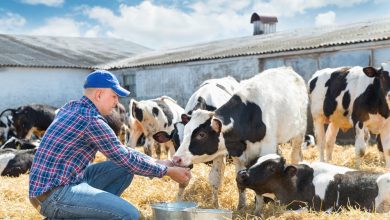
Iran does not have a high competitive advantage in the production of grains and livestock inputs and faces major climate challenges such as lack of water resources, pressure on agricultural land, and soil erosion.
These limitations make achieving complete self-sufficiency not only impossible but also unrealistic. Even under the best of circumstances, domestic production capacity cannot meet the country’s full needs.
One of the most complex issues in the grain industry is the issue of pricing and currency management. In recent years, the exchange rate has been relatively stable, allowing for some planning by market participants. However, regulatory fixations on commodity pricing and exchange rate restrictions prevent the emergence of a truly competitive market.
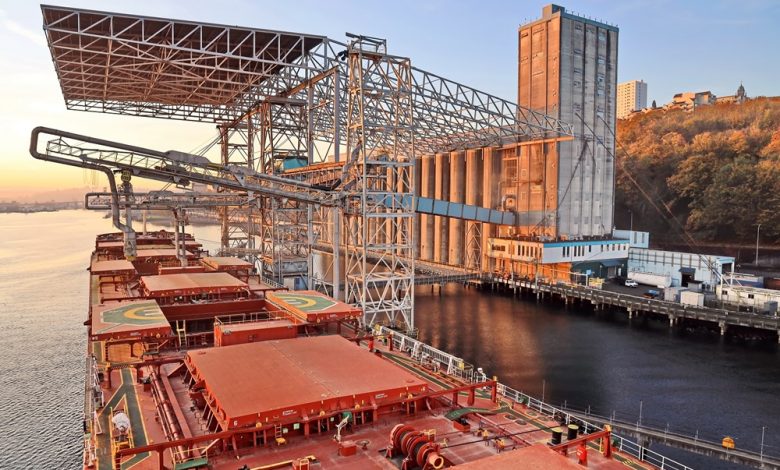
The livestock and grain input industry in Iran is at a historical turning point. On the one hand, structural challenges and climatic constraints have severely pressured the industry. On the other hand, there are great opportunities for transformation through investment, infrastructure modernization, and the use of private sector capacities and imports.