Why did Iran’s economy fall short of a GDP of 2,500 billion?
Seyed Mohammadreza Mortazavi, Chairman of the Board of Directors of the Federation of Iranian Food Associations

No government can claim to solve the country’s problems. Because despite
the budget deficit, 50 percent inflation rate, energy imbalance, heavy payments for subsidies in all areas such as energy, oil, gas, flour and bread, solving the problems will not be achieved by adopting past techniques. For example, at one time we had the Jahangiri currency, after a while, this currency became a preferential currency and has now been renamed the market rate currency.
During the late Raisi’s government, there were 5 to 6 exchange rates in the country, and now the same old versions of currencies exist in the country, and currently the preferential currency has become a negotiated currency. The negotiated currency, whose price is about 64,000 Tomans, but the free market dollar has reached more than 80,000 Tomans and the price of the negotiated currency has found a significant gap with the free market currency.
If Iran’s economy had continued on its path in the 1970s, instead of Iran’s GDP being $300 billion, it would have registered $2.5 trillion. For example, Mr. Khatami’s presidency was the only period when the most foreign money entered Iran.
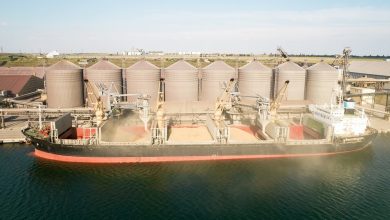
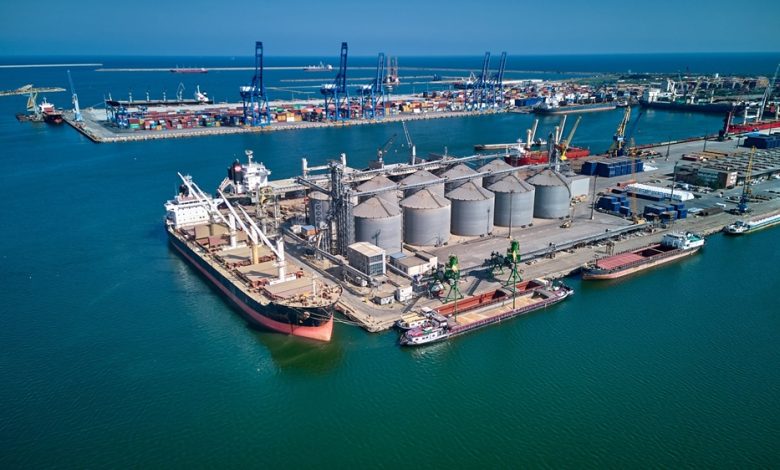
25 million tons of grains are imported into Iran annually, and given Iran’s location in various corridors, we can make the best possible use of this opportunity to earn foreign exchange for the country.