InterviewNews Briefs
Iran is one of the biggest grain producers
Mortazavi, Member of the Board in iranGrain Conference:

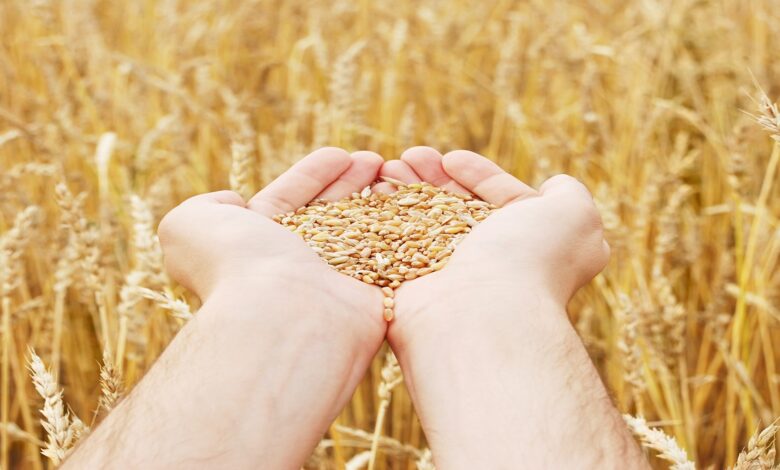
- Esmaiel Esfandiyari Poor, Wheat Project Head at Ministry of Agriculture Jihad: Wheat purchase up to July 2019 had is more than 4 million tons. Khoozestan with 1300 MT, Golestan with 520 MT and Fars with 510 MT are the three provinces on top pf the list. We hope that the 14 million tons projection in 2018-2019 would come true. The average rainfall has been 310 mm in the past marketing year. The purchasing price has increase from 13000 IRR to 17000 IRR per kg this year for wheat and for durum wheat the price has increased from 13300 IRR to 17700 IRR per kg. The new price shows 31 and 33 percent increase in the price respectively for wheat and durum wheat.
- Hassan Abbassi Maroofan, Foreign Trade Deputy at GTC: Since the wheat purchase has not been completed yet as of July 2019, and three provinces are still left. It is not possible to certainly announce that we are self-sufficient in wheat. There has been some rumors regarding the wheat shortage for the coming year, however, we cannot be sure until the purchasing is completely done.
- Nemat Bakhsh, Member of the Board in Isfahan’s Association of Millers: Having a population of more than 5 million, Isfahan is one of the largest provinces in Iran which also has different industries including starch production, biscuits and bread. Therefore, this province needs good quality wheat from other provinces such as Golestan and Khoozestan, however, the amount of wheat which is bought from those provinces is not sufficient to meet the needs. Isfahan has been given some low quality wheat from Hamedan and Kermanshah provinces which should be mixed with other high quality wheat to be used.
- Abbas Arshadi, Member of the Board in region one of GTC: The wheat purchasing period for the region one began from mid-June and it will continue until mid-August. It is estimated that 180,000 tons of wheat will be bought from the farmers of this region. This year, the season for buying wheat from the farmers started later because of the rainfalls and the changes in weather.
- Seyed Bahram Alavi, Mansoubian’s Silo Manager: The conflict between the public and private sector and the lack of tendency towards accepting the reality in wheat self-sufficiency has made people to consume bread which has low quality. There needs to be some plans for giving the low-quality wheat to the feed and starch producing industries and import a better quality wheat in order to be mixed with Iran’s medium-quality wheat. The wheat mixing is one of the best ways to improve the quality of the final flour that is being used by bakers.
- Mortazavi, Member of the Board in iranGrain Conference: Iran is one of the biggest grain producing and also consumption markets in the world, therefore, regarding the lack of enough information about this thriving market, holding iranGrain is one of the best ways to gather more information and meet the community of grain industry.
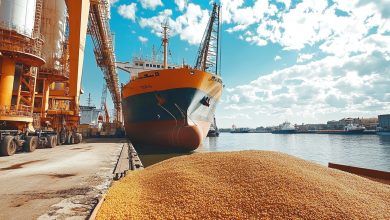
- Adel Dorris, Manager of Khoozestans’ Ports: Imam Khomeini Port (BIK) has the capacity to give service to 11 grain vessels at the same time. The discharge rate at this port is more than 50,000 tons and the storage capacity is 3 million tons.
- Noori, Member of the Agriculture Commission: Selling wheat in Iran Mercantile Exchange could be a huge step in omitting middlemen. On the other hand, because of the volatile foreign currencies exchange rate in Iran and the burden of purchasing the wheat from the farmers for the government, selling wheat in the exchange market would benefit both the government and the private sector.