- Glucose and Starch Society of Iran: Iran is ready to export gluten and starch to Qatar. Qatar has imported 15 million USD worth of starch and gluten last year; therefore, we anticipate to provide 80 percent of Qatar’s starch and gluten need in the current year.
- Khorasan’s Flour Mills’ Association: Khorasan’s Flour Mills’ Association has 37 active members. Khorasan Razavi has got 28 flour mills with 2200 tons of capacity which is 10 percent of Iran’s flour milling capacity. North Khorasan has 6 flour mills with the milling capacity of 264000 tons which is 1.5 percent of Iran’s milling capacity.
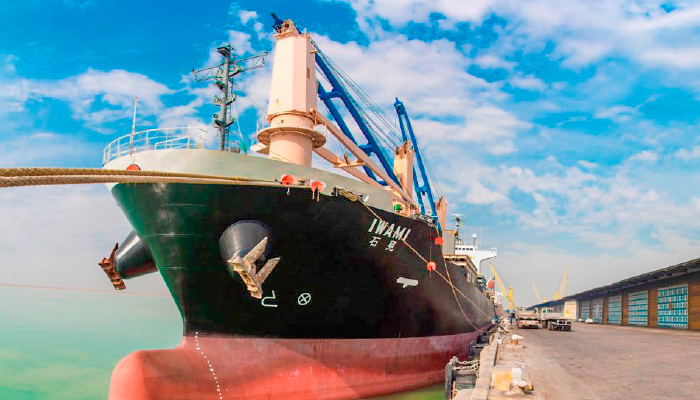
- Imam Khomeini Port’s Deputy of Marines: Imam Khomeini Port having all the equipment for export and being open 24 hours a day is ready to help with exporting goods and commodities to Qatar. This port has got more than 16 roofed warehouses for grains and 16 piers with the capacity of 85000 tons.
- Sooleghani from GTC: Iran’s GTC in the export policy instructions has given the right to choose an inspection company to buyers of Iran’s wheat and durum. The buyer, with the consent of the exporter would send an inspector to one of the silos or warehouses where the wheat or durum has been stored.
- According to the present data, there are more P.K.U patients in Iran due to the cousin marriage which is common in some parts of the country. It is estimated that one in every 6 to 8 thousand infants is born with P.K.U. Right now there are around 2500 families with at least one child struggling with P.K.U disease.
- Flour distributing companies in Iran are faced with numerous problems regarding the ban on importing wheat. The wheat produced in Iran does not have the needed quality for baking non-flat bread. It has been 2 months that the quality of flour in the south of Iran is degrading and people are not happy about the quality of the bread. Flour mills used to use both Iranian and Russian wheat to get the desired quality; however, now that there is no Russian wheat in the market the problems are worsening.
- CEO of Parsian Rail Shargh: Using trains for transporting grains in Iran is divided to two categories: wheat and other grains. In 2016-2017 transporting wheat using trains was around 10 percent; however, in 2017-2018 it is increasing and getting to more than 25 percent.
- Damirchilee, head of Silo Association: In Iran the storage capacity for grains is twice the amount of production. If the drought that has happened in the west of Iran continues to move to other parts of the country, the wheat production will decrease significantly; therefore, the silos will remain empty.
- Sadeghian, Arddaran’s CEO: Right now there is a great opportunity for Iran to export flour to Qatar. Turkey has got a huge opportunity too and it is using it. Although Qatar does not have a large population, its market is a good one for Iran. Iran is within a short distance from Qatar and this is the winning point against Turkey. Iran can send daily shipments to Qatar. However, we need to increase the quality of the produced flour in order to make it more appealing for buyers.
- The first wheat shipment from Russia has been unloaded in Astara Port in north of Iran. This shipment is 3200 tons and is being stored in the port’s storage facilities.
- The 72 percent reduction in buying wheat in Bousherhr province is because of less rainfall in comparison to previous years and flood which has damaged many farms in this province. The same has happened in Ilam province and the amount of buying wheat has decreased by 30 thousand tons.
- 10 percent of Iran’s grain storage facilities are in Kermanshah province. The capacity of this province’s storage facilities as 1 million and 250 thousand tons from which 370 thousand tons belong to the government of the rest is privately owned.