
Security Risks and Increase in Insurance Rates and Bills of Lading
Mr. Amirhossein Shahmir, former representative of Iran to the International Labor Organization and former director general of the General Department of International Relations of the Ministry of Labor

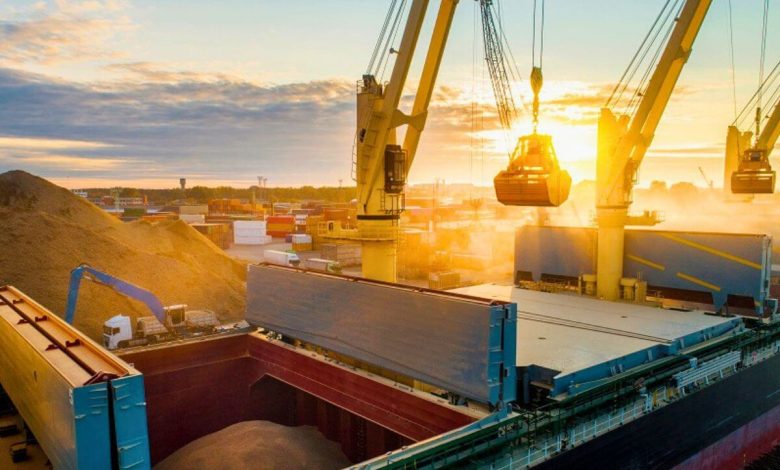
The decrease in the production and export of grains from Ukraine and Russia due to the continuation of large-scale military conflicts on land, air and sea has put pressure on the global food markets and increased the prices of products such as wheat, corn, oilseeds, sunflower and rapeseed oil.

This shortage greatly increases the cost of providing these products in the traditional markets and aggravates global food security. Inflationary pressures caused by the increase in food prices also intensify the challenges and widespread social and economic protests in poorer countries.
Maritime transportation is very risky and costly at the height of military tensions in critical areas such as the Black Sea and its surrounding sea areas during the Ukraine crisis. Maritime dangers and accidents, such as being hit by fire or hitting sea mines, prevent transport companies from operating in these areas. Maritime dangers and accidents, such as being hit by fire or hitting sea mines, prevent transport companies from operating in these areas.
Also, risks such as the threat of pirates or the illegal seizure of ships’ cargoes, along with geopolitical tensions, continuously affect the fluctuations of the sea freight market in the aforementioned areas. Continuation of conflicts and resulting sanctions and restrictions can also lead to sudden changes in loading ports and the choice of longer and safer routes, increasing the risk and costs of sea transportation and subsequently disrupting the regular food supply chain.


