Subsidy Reform and Wheat Market Liberalization: The Key to the Future of Iran’s Flour Industry
Farshad Memarian Vice Chairman, Iran Flour Industry Association

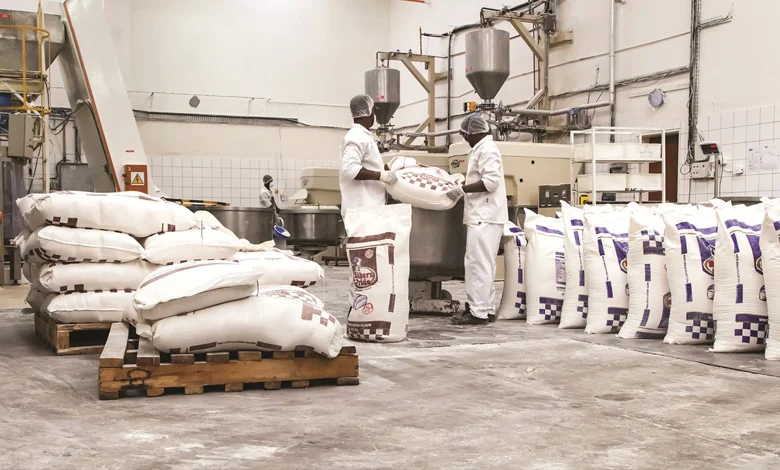
Iran’s flour industry stands at a strategic crossroads, facing a choice between maintaining state-controlled pricing or pursuing structural reforms that could improve productivity, attract investment, and strengthen competitiveness.
One of the most significant proposals is to shift government subsidies from flour to direct support for consumers—a model adopted in many countries that preserves purchasing power for vulnerable groups while increasing market transparency and encouraging fair competition.
At the same time, allowing flour mills to purchase wheat directly from farmers, aligning flour prices with actual production costs, and removing existing market restrictions are viewed as essential reforms to improve wheat quality, enhance milling efficiency, and stimulate investment across the sector. Under the current system, administered pricing and limitations on raw material procurement have squeezed profit margins and slowed modernization and technological upgrades.
The recent conflict involving Iran also demonstrated the resilience of the country’s wheat, flour, and bread supply chain. Despite logistical disruptions and rising production costs, the sector maintained uninterrupted supplies of essential food products. At the same time, the experience highlighted the need to strengthen strategic grain reserves, modernize transport infrastructure, invest in production facilities, and ensure greater policy stability—measures that could reinforce Iran’s food security while enhancing opportunities for regional trade and cooperation.