Instability in Regulations Disrupts Iran’s Essential Commodities Market

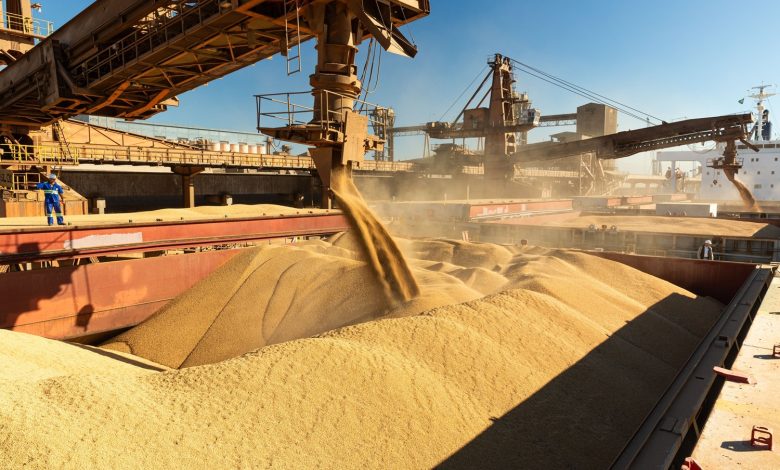
The import market for essential commodities and livestock inputs faces problems such as the lack of a clear technical policy, the application of personal preferences, the instability of laws, and delays in foreign exchange allocation. Mr. Mollasalehi, CEO of Hermes Tejarat Afagh Qeshm Company, believes that stability and transparency can only be created by developing practical regulations and guidelines that are appropriate to market realities and with the participation of private sector activists.
He emphasizes that foreign exchange allocation should be linked to the imported goods and the time of their arrival, not to the names of individuals, and the use of international financial resources such as Halkbank and TBI at the time of order registration can reduce costs and accelerate trade operations. Establishing interaction between the Ministries of Petroleum and Agriculture-Jihad and suppliers is also essential for executive and coordinated decision-making.
Transparency in the allocation of quotas and foreign exchange is the key to encouraging the private sector and reducing market and price volatility. Mollasalehi’s final message to policymakers is to avoid hasty decisions and pay attention to the opinions of industry activists in order to maintain market stability and a secure supply of essential goods.