Grain Supply Chains under Geopolitical Pressure: The Need to Rethink Sourcing Strategies
Mr. Seyed Mohammadtaghi Naghavi, Chairman of Azem Industrial Group


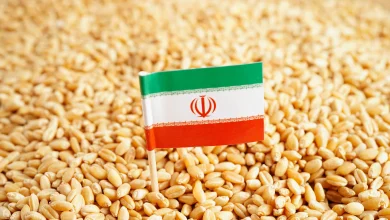
Geopolitical developments, disruptions in global trade routes and volatility in commodity markets have highlighted the growing importance of securing raw material supplies for grain-based industries. Wheat and corn, as strategic inputs for the grain processing sector, play a key role in the production of products such as starch, glucose, maltodextrin, vital wheat gluten and animal feed by-products. Any disruption in their supply can affect various segments across the food value chain.
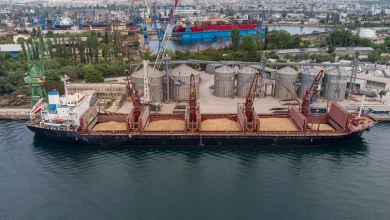
Today’s grain markets are no longer driven solely by domestic supply and demand. Regional tensions, maritime transportation constraints and geopolitical risks have become major factors influencing prices. In this context, the domestic price of corn has increased from around 410,000 Rials to 550,000 Rials per kilogram, reflecting the direct impact of global uncertainties on raw material costs.
Declining global wheat and corn inventories have also emerged as a major concern for the market. Lower stock-to-use ratios, combined with rising political risks and logistics constraints, could contribute to greater price volatility in global grain markets.
Under these circumstances, the main challenge for industries is not only the increase in raw material prices, but also price instability and the difficulty of production planning, liquidity management and inventory control. Sharp market fluctuations put additional pressure on profit margins, competitiveness and strategic decision-making.
The future of the grain processing industry will depend not only on production capacity, but also on companies’ ability to anticipate risks, diversify sourcing channels, enhance supply chain flexibility and develop sustainable raw material procurement models — an approach that can play a critical role in strengthening food security and ensuring the stability of downstream industries.