Alarm Bells in the Protein Market: How Billion-Dollar Currency Backlogs and Exchange Rate Gaps Threaten the Supply Chain
Mr. Mohsen Hafez, Chairman of the Board of chinos Specialized Trade Association of Bulk Animal, Poultry, and Aquatic Feed Distributors

While we continue to shoulder the responsibility of securing animal feed by relying on private sector capacities, Iran’s protein supply chain is facing profound structural crises.
Although imports via northern and southern routes have remained somewhat active, the accumulation of over $4 billion in unpaid foreign exchange claims and delayed government commitments over the past two years has severely eroded the financial capacity of small and medium-sized enterprises. This liquidity crunch, compounded by a 70 to 80 percent surge in the prices of certain raw materials and amino acids, has heavily inflated the production costs of meat, milk, and eggs, leaving producers operating at a loss.
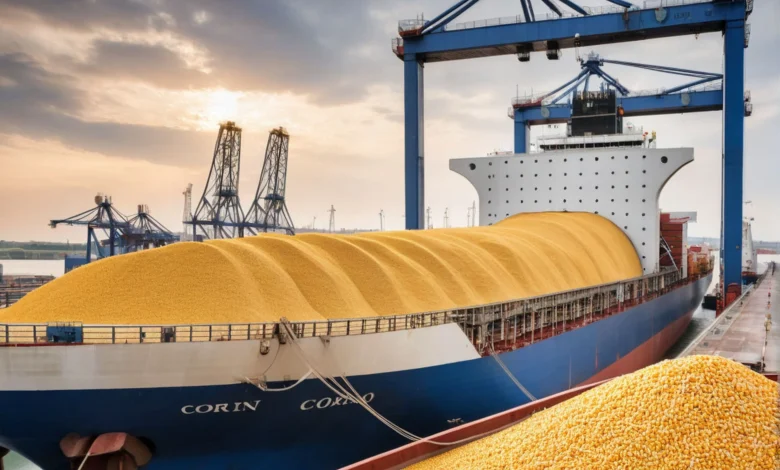
For an international audience and global economic analysts, this crisis highlights extreme vulnerability to sanctions and currency shocks. Surging vessel insurance and maritime freight costs, delays in currency allocations, and most critically, the wide gap between the official exchange rate in the second hall (approx. 1,610,000 Rials) and the free market rate (approx. 2,350,000 Rials) have severely disrupted corn and barley imports. This pricing gap and the subsequent weakening of the distribution network sound a serious alarm for potential production contractions and inflationary spikes in protein products in the coming months.
Furthermore, tax pressures based on gross sales rather than actual profit margins have imposed heavy financial burdens on the distribution network. Industry insiders emphasize that to navigate these critical conditions and safeguard national food security, the government and the Ministry of Agricultural Jihad must immediately settle outstanding foreign exchange claims, stabilize monetary policies, and actively integrate the specialized insights and participation of all distribution and production links into strategic decision-making to prevent structural disruptions and production collapses