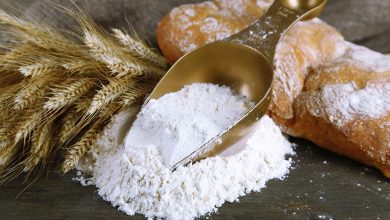
- Yahya Al-Esagh, head of Iran Iraq Chamber of Commerce: Iraq is one of the best destinations for Iran’s flour. The main competitors for exporting flour to Iraq are Turkey and Iran. Iran’s flour quality, in comparison to Turkey’s is acceptable. Flour from Turkey is sold at 150 dollars per ton, while Iranian flour is 90 dollars for a ton. Although Iran’s flour is 60 dollars cheaper, 90 percent of Iraq’s flour market is in the hands of Turkey. Now the question is that why this is happening? Iran should do some research about this problem and try to solve it. Bans on wheat imports to Iran and transit bottlenecks are the main issues that should be addressed.
- Sahrokh Zahiri, Mahram brand’s founder: in 2012, a conference with the title of “Food and Hunger Crisis” was held in Italy by FAO. During the conference FAO announced that there are 1,400,000 people starving around the world. This was a message to all countries to pay more attention to food crisis and allocate more budget to research regarding food and agriculture.
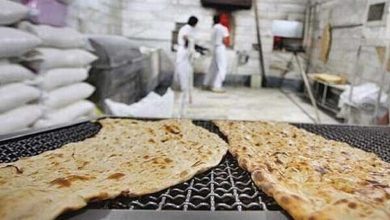
- Morteza Meisami Fard, Tak Nan Jonoob founder: Ten years ago, Iran’s government allocated budget to improvement of industrial bread infrastructure and indicated that it will reduce the number of traditional bakeries in Iran from 63000 to 43000 and would give more offers to industrial bread producers such as insurance and paying less tax. However, after ten years none of those have happened and the number of traditional bakeries increased to 90000! Many investors in this field cannot continue working and have to give up. Many people believe that the industrial bread progress in Iran is doomed and it is not the fault of the private sector, the government is the one to blame.
- Etesam, Tide Water’s CEO: Tide Water Company started working in the grains’ field as the first grain operator in Imam Khomeini Port. Although pneumatic unloaders were used in Imam Khomeini port, the transportation of grains was very primitive. In order to prevent transportation of grains on the ground which harmed the quality of grains, we invested in using unloaders and conveyors that convey the grain to silos directly from the ship. This project will be finished in the next two months.
- Dorosti, Food and Drug Organization’s representative: Iran has got the first rank in deaths caused by excessive sodium intake. The maximum salt intake in the world in 6 grams per day while it is 12 grams in Iran. One of the best options for reducing sodium intake is reducing it in the bread. However, using less salt for bread making, changes the taste. Another option is replacing potassium with sodium, although it has got some taste changing properties too.
- Dibaee from GTC’s technological department: In 2016-2017, with 14 million tons of wheat produced in Iran and the 6 million ton capacity of the government storage silos, about 50 percent of the wheat in Iran was stored in private sectors’ silos. In 2017-2018, because of adequate rainfall it is expected that the harvested wheat would increase and the government has to store more wheat in silos belonging to the private sector.
- Abdi Moien Poor, from Iran Switzerland Chamber of Commerce: Stephane Rey, the Deputy Head of Mission of Switzerland’s embassy in Iran visited Shahid Rajaee Port in Bandar Abbas. His visit was to see trade potentials of this port. This visit was an incentive to increase the trade relations between Switzerland and Iran. At the moment, Swiss companies such as Buhler, MSC, SGS and Cotecna are present in Shahid Rajaee port.
- Erfani, Vice President of Iran’s Rice Research Institute: In more than 100 countries around the world, 31 million acres are allocated to organic products. Australia, Argentina, China and The United States of America are respectively the countries with most organic farms in the world. In Iran, 113000 acres of farmland and 125000 acres of gardens are allocated to organic products and no chemical fertilizers and chemical pesticides are used in them.
- GTC’s export executive manager: Wheat and flour exports will double in 2017-2018. Exports will be easier in the current year. The time that companies have for flour export will be doubled from 2 months to 4 months.