- Imas company, during its 30-year history, has exported its products to more than 80 different countries in 4 continents. During its 15-year presence in Iran, Imas has done 35 successful projects in various parts of country among which turn-key, renovation or supplying machinery projects are noticeable.
- Babak Tabeyee, Head of R&D in Niknam Company: Ordering producers to reduce sugar and fat in products such as cakes and biscuits is not going to work. These products are consumed for their sweet taste and reducing it would lower the sales. Making the society’s diet healthier is something that should be done using media and increasing people’s consciousness. It is not practical to do so by forcing the producers to change their ingredients, this would only result in using not very healthy sweeteners and fat.
- Mohammad Rabiee, CEO of Baharestan Flour: It is true that after years of sanctions we have managed to become self-sufficient in producing wheat and we are also exporting wheat to Italy and Oman; however, is it wise to send our good quality wheat to other countries while we need it ourselves? I believe that it is not justifiable to spend so much money on buying feed while we can use our own wheat and use the good quality one for making bread and pasta instead of exporting it to other countries.
- Sharif Nezam Mafi, Head of Iran-Switzerland Chamber of Commerce: Investing in start-ups is risky and the companies who are willing to invest in these projects should be well-informed. Start-ups do not only exist online, there are many start-ups working in different fields such as grains, water, feed and natural resources. The challenges should be met; we have to improve.
- Athar Flour holds the first place in exporting flour in Iran. This mill produces 600 tons of flour every day. From the 30000 target in 1396, they have met 20000 of it so far.
- Flour residue on the interior walls of silos causes bacteria to grow and challenges the flour storage options. Because of this, experts believe that to use epoxy paint to make the surface non-stick. Epoxy color dries as a result of a chemical interaction, making it a good option to be used in high moisture environments.
- Mahyar Rahmani, CEO of Mahsin Bread: One thing that is not usually paid attention to is the quality of packaging in which bread is sold. In some types of cellophane, the ink used for printing is absorbed to bread, that is why we use a 3-layer cellophane for packaging the bread. The ink on this type of cellophane will not be absorbed to bread.
- Stiff Iran Company has started working in food industry since 2015 and it has completed more than 100 projects related to food industry. Apart from food industry, Stiff Iran also works in cement industry and has done 76 projects in that field.
- Morteza Sanadi Zadeh, CEO of Javaneh Shooshtar Flour: Most of Iran’s flour mills have been equipped by famous brands in the flour industry and have been designed according to the local conditions of each city. These flour mills can produce 2 to 3 different types of flour and meet all the global standard criteria for producing flour.
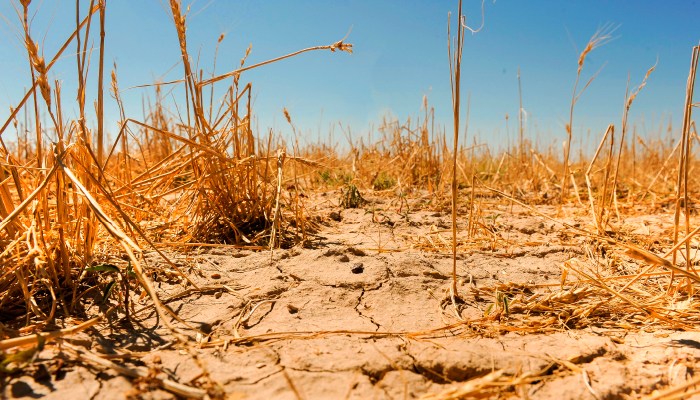
- Professor Parviz Kerdovani: It seems that the biggest problem in Iran’s agriculture is the problematic ways that we are trying to grow wheat. Traditional irrigating systems are worsening the water crisis in Iran. For each hectare of land, we need around 5000 M3 water; however, this figure in Iran is more than 10 M3! We should educate the farmers to use the water in the correct way. Mechanization, using standard irrigation systems and helping farmers to implement these methods are other ways of saving water.
- CEO of Sharif Zadeh Industrial Workshop: According to world standards, using steel pipes and tubes in flour mills is more hygienic and safe. Flour mills should be using these types of pipes for conveying ingredients. Using high quality glass and steel equipment under the sieves are other factors that should be considered.
- Golnan Puratos is one of those companies that is always seeking innovation in the bread industry. One of the goals of Golnan Puratos is to improve the bread quality of Iran. They believe that freezing is one of the best options for keeping the quality, Puratos introduced the first frozen dough improver in 1982 and since then many bakers are using it in different parts of the world, Golnan Puratos has introduced some of these improvers in Iran, hoping to improve the bread quality more than ever.