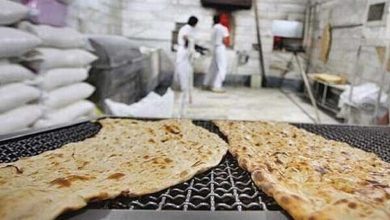
- Dr Azizi, head of Iranian Food Industry Association: The government should hand the bread industry to the private sector. By doing so, the bread quality in Iran would face a dramatical surge. The private sector could provide improver, better equipments and packaging which will result in less waste of bread and money.
- The first phase of wheat silo in Sivand rail terminal has been completed. This phase with the capacity of 1000 tons has been done by PTSilo. The first shipment weighing 900 tons was recently sent to Isfahan.
- Mansoor Vaziri, CEO of Mehr Pooya-E-Saba: There has been some talks regarding the addition of soil to the wheat shipments by the certified farmers. This is not true because the certified farmers would not endanger their reputation by doing so. In some provinces such as Tehran, Zanjan and Kordestan, the wheat is bought from uncertified farmers or some middlemen and it is possible that they add the soil to the wheat in order to earn more money.
- Export Expert in GTC’s Export Office: Until the end of the first half of year in Iran, the flour export has increased by 100000 tons. More than 100 companies producing wheat and biscuits have become active in the export section and this has led to increase in flour export.
- Farshad Memarian, Head of Board of Members of Tehran Bakhtar Flour: the wheat production system in Iran lacks many things which hinder the wheat production and quality improvements. Small scale farms, not using good quality seed, lack of monitoring regarding pesticides are some of the main problems that farmers are facing. The lack of a mandatory standard while buying wheat from farmers has led to a problematic cycle which needs more analyses and improvements.
- Iran’s Minister of Industry, Mine and Trade: Although bread is a nutritious food which is consumed by all the Iranians and some of it should be given to the low-income families with a lower price, the expenses for producing bread should decrease. This industry should go towards becoming more industrial and less artisan. The government should not intervene in the wheat, flour and bread industry.
- Karami, Head of Iran’s Bread Union: The Bread Academy is going to be founded in Tehran and this is a joint contract between Iran and Germany in order to broaden the educational opportunities and the knowledge of specialty bread between two countries. The classes will be held very soon for more bakers in Iran.
- CEO of Aligoodarz Flour: The government has recently announced that more than 42% of the wheat produced in Iran has got very high quality. We might have some good quality wheat in some areas but it is not distributed fairly among different provinces in Iran. The wheat quality is the biggest problem that flour millers are facing and there is no other choice for them except importing the good quality wheat from other countries which has been banned by the government.
- Deputy of Grain Science Association of Isfahan: Two years ago (1394) bakers would add 800 grams of salt to 40 kilos of flour, last year this amount decreased to 400 grams. This reduction caused numerous problems for the bakers because the flour quality is very low and with this amount of salt, the bread quality is not good at all. In order to reduce the amount of salt used in bread, we should have high gluten flour.
- The Bread National Day, was celebrated in Isfahan on November 13th. A conference was held on this day and it was highly attended by officials from different cities in Iran.
- Tak Nan Djonoob contributed in giving Lavash bread to Kermanshah province which suffered a 7.3 earthquake last month. The Lavash bread produced by Tak Nan Djonoob has a great quality with a 6-day shelf life which is rare among other Lavash bread produced in Iran.
- Morovati, Representative of InterMilling in Iran: This company imports some of the equipment from Germany and is against the Chinese equipment sold by some companies. The good quality equipment is the main difference between the flour millers in Iran. The wheat quality is almost the same for all of them which is not a good one, therefore, they should benefit from high quality machines.
- Razi Company is the official representative of NIR technology by Bran Scan in Iran. This product was showcased for the first time in Iran in IBEX.
Some of the most important technologies that were introduced in Pak Fan booth in IBEX this year are: Germany’s Barbender equipment such as extensograph, farinograph and amylograph. WaterActivity from Novasina in Switzerland which is used for shelf life controlling. - Dr Kazerooni, CEO of Atlas Flour in Isfahan: The biggest problems in milling in Iran are the lack of good quality wheat and the low percentage of gluten in Iranian wheat. We need at least 10 to 15 percent imported wheat in order to be able to produce a good quality flour.
- Havanshir, CEO of Bake Sanat: The frozen dough technology in Iran has led to a revolution in the baking industry. In the dough freezing process, the frozen shock equipment gives a cold wave shock to the dough and the dough freezes without compromising the quality and it lasts for up to 4 months.