

Restrictions on Black Sea routes have redirected some grain traffic to alternative corridors, increasing demand for shipping across the Caspian Sea. Despite the addition of several bulk carriers, the Caspian fleet still falls short of demand. Capacity constraints at Russian and Iranian ports are also lengthening loading and unloading delays and driving up vessel costs.
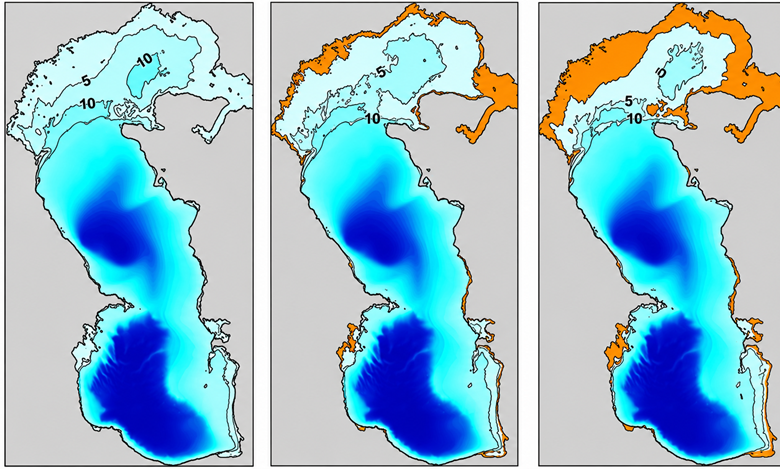
Winter ice adds another constraint near Astrakhan, where one vessel was held up for about a month. Closer coordination between Russia and Iran on icebreaker schedules could reduce prolonged delays. Slow bank settlement can also leave vessels waiting in port despite the short sailing distance between the two countries.
Financing additional vessels, modernizing port equipment and speeding up payments are three priorities for expanding grain and feed trade between Russia and Iran.
