Bazargah Platform: A New Path toward Transparency and Stronger Liquidity in Iran’s Flour Industry
Mr. Nematollah Taghizadeh, Executive Secretary of the Isfahan Flour Mills Employers Association

Recent changes in wheat pricing policies, the liberalization of bran prices, and the launch of bran trading through the Bazargah platform have introduced a new phase for Iran’s flour industry, with potential impacts on factory financing, market transparency, and production stability.
The new industrial wheat price is considered reasonable compared with global market levels; however, any move toward further wheat liberalization requires supportive mechanisms to prevent additional pressure on flour mills’ working capital.
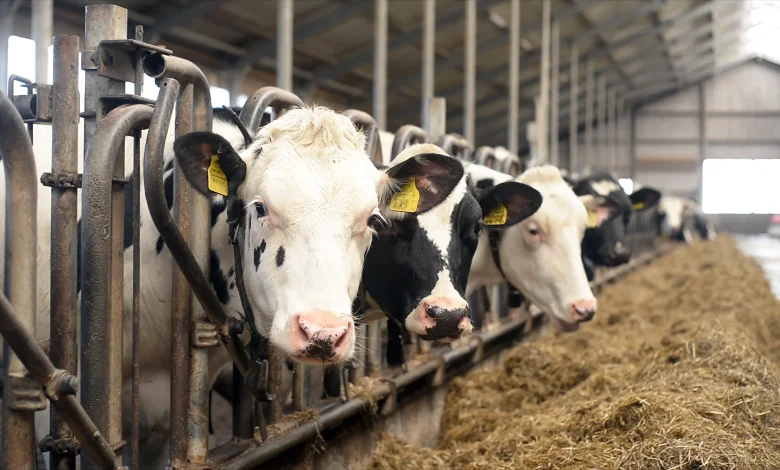
One of the major recent developments has been the shift of bran sales to a supply-and-demand-based system from the beginning of 2026 and its transition to the Bazargah platform from September. The measure aims to improve transparency, expand buyer access, and support the financial position of flour producers.
Previously, bran was priced at around 95,000 Rials per kilogram in 2025. The new pricing mechanism allows flour mills to use part of their bran sales revenue to offset costs and address outstanding financial claims.
By removing previous buyer limitations and enabling purchasers across the country to trade directly with different flour mills, the Bazargah platform could improve transparency in sales and settlements, strengthening the financial resilience of Iran’s flour supply chain.