Redesigning Iran’s Grain Supply Chain: The Caspian Corridor alongside Southern Routes
Mr. Amirhossein Afrashtehpour, CEO of Acer Trading

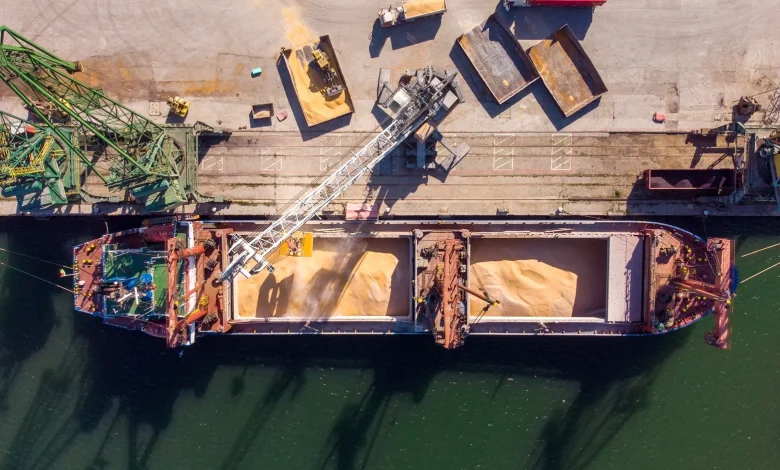
The 40-day war has accelerated significant changes in Iran’s grain supply chain, reshaping transportation and logistics costs, transit times, financing models and the way international trade routes are structured.
One of the most important developments has been the growing role of the Caspian Sea and northern ports. Over the past five years, the capacity of Iran’s northern Caspian ports has increased from around 2 million tonnes per year to approximately 5 million tonnes, while their current share of the country’s grain imports stands at around 20%. This expansion provides Iran with an alternative logistics corridor and reduces its dependence on southern maritime routes.
However, greater reliance on the Caspian should not translate into dependence on a single route or country. Seasonal grain harvest cycles and fluctuations in supply require a diversified sourcing strategy. Alongside Russia and the Caspian corridor, markets such as Latin America can play a role in broadening Iran’s sourcing options and strengthening supply-chain resilience.
At the same time, southern routes remain strategically important and need to remain operational. A resilient supply chain cannot be built by replacing one corridor with another; rather, it requires maintaining multiple complementary routes capable of absorbing disruptions and responding to changes in regional trade conditions.
Marine insurance and geopolitical risks have also become increasingly important considerations. The current environment highlights the need for alternative insurance mechanisms, including domestic capacity, as well as greater reliance on Iranian-owned bulk carriers to reduce exposure to external shipping constraints.
The role of the UAE in regional trade and financial flows is also evolving, requiring businesses to reconsider established trade and financing structures. Similar adjustments are emerging in connection with trade involving Russia, making the redesign of financial and logistical networks an increasingly important part of Iran’s post-war supply-chain strategy.
Ultimately, Iran’s future grain security will depend on combining several complementary capacities: the Caspian corridor and northern ports, continued access to southern routes, diversified geographic sourcing, a stronger bulk-shipping fleet and alternative financing mechanisms. Together, these elements can create a more flexible and resilient supply chain capable of responding to geopolitical disruptions and changes in global grain markets.