Rethinking Iran’s Grain Supply Chain: From Currency Allocation to Credit-Based Financing
Mr. Asadi – CEO of Zarrin Grain Company

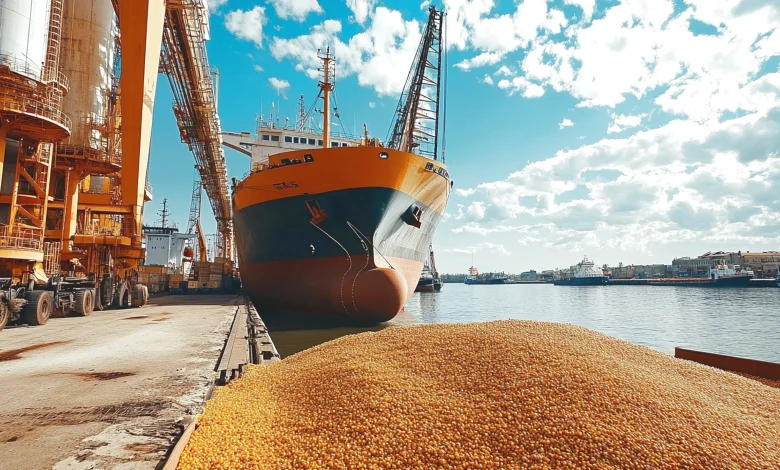
Iran’s grain supply chain faces mounting challenges, including delays in foreign currency allocation, rising import costs, limited working capital, and logistical bottlenecks. Addressing these issues requires reforms in foreign exchange policies, innovative financing mechanisms, and improvements in transportation and agricultural commodity distribution infrastructure.
One of the most urgent priorities is accelerating foreign currency allocation following import registration and quota approval by the Ministry of Agriculture. Greater transparency in exchange rates and payment schedules would help importers plan international purchases, manage costs, and ensure timely commodity supplies.
Credit-Based Financing to Ease Liquidity Pressure
Financial instruments such as GAM bonds and electronic bills of exchange could help ease liquidity constraints across the supply chain. Transitioning from cash transactions to credit-based sales is also increasingly important, particularly given the multi-month production cycles in the livestock and poultry industries.
Credit sales supported by customer credit assessments, banking records, and financial capacity could help bridge the gap between purchasing feed ingredients and receiving revenue from finished products.
Under this model, suppliers would compete not only through commodity availability but also by offering financial solutions as part of their services.
Rising Import Costs and Logistical Bottlenecks
Disruptions in international shipping, port congestion, and lengthy unloading and customs clearance procedures have increased operating costs and working capital requirements.
The removal of preferential foreign exchange rates, rising global commodity prices, higher customs and storage expenses, and restricted access to bank financing have placed additional pressure on importers.
Meanwhile, outstanding government obligations related to preferential foreign exchange allocations have further weakened importers’ financial capacity to secure new shipments.
Three Priorities for Grain Supply Chain Stability
Accelerating foreign currency allocation, reducing port unloading and customs clearance times, and expanding supply chain financing mechanisms are three essential measures for addressing current challenges.
In the longer term, investment in port facilities, storage capacity, and transportation infrastructure, combined with modernizing Iran’s Bazargah agricultural commodity distribution platform and improving supply-and-demand transparency, could significantly enhance supply chain efficiency.
Ultimately, maintaining stability in grain and animal feed markets requires closer coordination between foreign exchange policies, banking systems, logistics infrastructure, and distribution mechanisms. Disruptions in any of these areas directly affect production costs and the performance of downstream industries.